
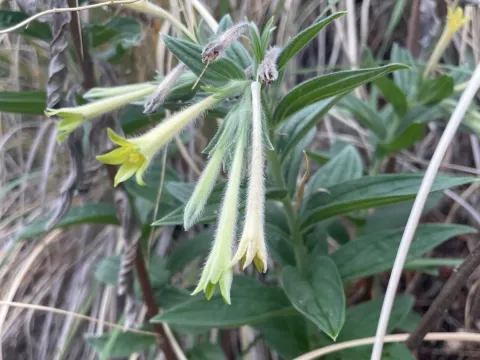
Lithospermum macromeria
Lithospermum macromeria
Lithospermum macromeria is a perennial herbaceous plant belonging to the Boraginaceae family. It is recognized for its botanical characteristics, including specialized root systems that store secondary metabolites, which are essential for its adaptive survival in arid environments.
What the section contains
Lithospermum macromeria
The plant thrives in well-drained, sandy-loam soils that maintain a neutral to slightly alkaline pH. Proper aeration is crucial for the root development, as the species is highly susceptible to hypoxia if the soil becomes waterlogged for extended periods.
Climate requirements include high solar radiation and a stable temperature profile. This species is native to regions where seasonal moisture allows for vegetative growth, followed by a dry period that promotes the concentration of chemical compounds within the plant tissues.
Agronomic management practices focus on long-term establishment. As the plant is slow to mature, farmers should prioritize weed suppression in the early stages to prevent competition for essential soil nutrients and sunlight during the critical initial growth phase.
The main commercial utilization involves harvesting roots, which contain valuable pigments and bioactive compounds. Historically and in modern applications, these extracts are used for both medicinal purposes and the production of natural dyes.
Root rot, primarily caused by fungal pathogens such as Fusarium or Phytophthora, is the most significant threat to Lithospermum macromeria. High moisture levels in the soil facilitate the rapid spread of these pathogens across the field.
Soil-borne pests, particularly wireworms (larvae of click beetles), pose a constant danger to the root system. Infestations often go unnoticed until the plant shows significant signs of wilt, making early detection and soil analysis vital.
Foliar diseases such as powdery mildew can affect the plant during humid summers. While these diseases primarily impact the photosynthetic ability of the plant, they can weaken the overall vitality and lower the quality of the raw material.
Integrated pest management (IPM) strategies are recommended for this crop. This includes crop rotation, maintaining field hygiene, and minimizing the use of synthetic pesticides to ensure the final product meets pharmaceutical quality standards.
Consistent monitoring during the early spring is advised, as this is when the young shoots and roots are most susceptible to environmental stresses and the initial colonization of pests from surrounding vegetation.