
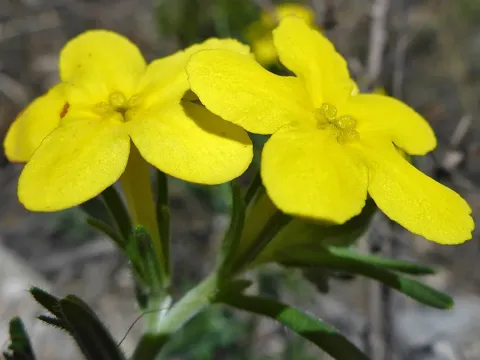
Lithospermum parksii
Lithospermum parksii
Lithospermum parksii cultivation typically begins with autumn sowing, as the seeds require natural stratification to overcome dormancy. Proper soil preparation is essential for successful germination.
What the section contains
Lithospermum parksii
Seeds should be sown at a shallow depth of 1–2 centimeters in well-aerated soil. Consistent moisture levels must be maintained during the early stages of development to support uniform emergence.
For commercial production, precision seeding methods are recommended to maintain an optimal planting density, which minimizes competition for resources among developing seedlings.
In spring, germination may be slow, so keeping the seedbed free from weeds is critical. Using biodegradable mulch can help maintain moisture and suppress competitive weed growth during the early spring period.
Selecting a site with good soil texture allows the taproot system to develop without hindrance, which is vital for the long-term survival and productivity of the crop.
Lithospermum parksii is a hardy perennial member of the Boraginaceae family. It is naturally adapted to regions with distinct, often arid, environmental conditions and high light intensity.
This crop thrives in well-drained, sandy, or rocky soils with a neutral to alkaline pH level. Waterlogging is detrimental to this species and must be avoided at all costs through proper site drainage.
Abundant sunlight is a primary requirement for the healthy growth and physiological development of this plant. Shaded areas should be strictly avoided to prevent stunted growth.
Fertilization should be handled with caution, as high nitrogen levels can negatively impact the plant's natural synthesis of secondary metabolites. Minimal organic fertilization is typically preferred.
The plant exhibits excellent cold tolerance, making it a viable candidate for cultivation in diverse temperate climates, provided that soil moisture is managed during the winter dormancy phase.
The economic yield of Lithospermum parksii is primarily derived from its root system, which accumulates specific bioactive compounds. The harvest strategy is designed to maximize the concentration of these substances.
Optimal yields are typically realized from plants harvested in their second or third year of growth. Harvesting before this stage often results in reduced concentrations of key chemical components.
The pharmaceutical and dye industries are the main consumers of this crop's harvest. Ensuring high-quality standards is crucial for meeting the demands of these specialized markets.
Agricultural yields are highly dependent on site-specific management, including irrigation timing and soil quality control. Regular inspections help assess plant health and potential yield projections.
Future production potential may involve selective breeding to identify high-yielding genotypes that produce consistent quality in commercial farming settings.
Root rot caused by fungal pathogens is the primary threat to Lithospermum parksii, usually resulting from poor soil drainage or excessive irrigation practices.
Pests such as aphids and spider mites may occasionally infest the foliage, particularly during extended periods of hot, dry weather. Biological pest control agents are recommended to mitigate these risks.
Weed management is a significant challenge during the first year of crop establishment. If not properly controlled, weeds can easily outcompete the young plants for nutrients and sunlight.
Leaf spot diseases may occur under conditions of high humidity and poor airflow. Preventive measures like adequate row spacing and moisture control help minimize disease incidence.
Constant monitoring of the crop is necessary to detect early symptoms of stress or pathogen attack, allowing for timely intervention and preservation of the plant population.
Harvesting is performed during the dormant phase when the above-ground biomass begins to wither. This timing indicates that the plant has stored maximum nutrients in its root system.
Roots are excavated carefully to avoid physical damage, then thoroughly cleaned of soil debris. Post-harvest, they must be dried under controlled conditions at temperatures below 45 degrees Celsius.
Effective drying is essential to prevent the degradation of heat-sensitive compounds. Once dried, the material should be stored in ventilated containers in a cool, dry place to maintain shelf life.
Mechanical harvesting equipment can be calibrated to target the specific depth of the root system, significantly improving efficiency on larger agricultural holdings.
Final product quality is dictated by the speed of processing and the consistency of the drying method, ensuring the harvest meets industrial quality benchmarks.