
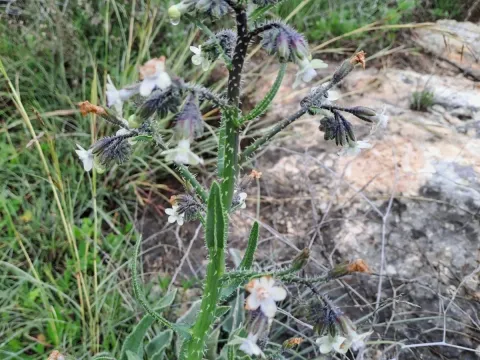
Anchusa strigosa
Anchusa strigosa
Anchusa strigosa belongs to the Boraginaceae family. It is a robust perennial herb known for its bristly, hairy stems and vibrant blue flowers, which are highly attractive to pollinators.
What the section contains
Anchusa strigosa
Propagation is primarily achieved through seeds sown in late autumn or early spring. For optimal results, seeds should be sown in a well-drained medium at a depth of about 1 to 2 centimeters.
When starting seeds indoors, use a high-quality seed-starting mix and maintain a temperature of approximately 20 degrees Celsius to ensure uniform germination across the tray.
The plant develops a deep taproot, so it is advisable to transplant seedlings when they are small to minimize root disturbance and shock during the transition to the garden bed.
Spacing is critical for the long-term health of the crop. A density of 4 to 6 plants per square meter is generally considered ideal for maintaining healthy growth and airflow between individual specimens.
Anchusa strigosa thrives in full sun, which is essential for its flowering performance. While it can tolerate partial shade, its structural integrity may suffer in lower light conditions.
Soil requirements are relatively modest. The plant prefers sandy or loamy soils that provide excellent drainage, as it is highly intolerant of waterlogged conditions that lead to rot.
This species is exceptionally drought-tolerant once established. Its ability to extract moisture from deep soil layers makes it an excellent candidate for xeriscaping and low-maintenance agriculture.
While the plant can handle neutral to slightly alkaline pH levels, it is important to avoid soils that are heavily compacted, as these inhibit the growth of the vigorous root system.
Fertilization should be handled with care. Over-application of fertilizers, particularly those high in nitrogen, can result in excessively lush foliage at the expense of bloom production.
The primary threats to Anchusa strigosa involve fungal infections such as powdery mildew, which can develop if the plants are crowded or located in areas with stagnant air.
Root rot is the most significant threat to plant longevity. Prevention is best achieved through site selection, ensuring the planting location is slightly elevated or has adequate drainage.
Pests like aphids and leaf-eating beetles can occasionally cause cosmetic or physiological damage to the foliage, requiring periodic inspection and appropriate pest management strategies.
During the dormant season, severe cold combined with high humidity can damage the crown of the plant. A light layer of mulch can help protect the roots in harsh climate zones.
Monitoring for signs of stress, such as yellowing leaves or wilting, is essential. Early intervention with organic fungicides or soaps can successfully manage small infestations before they spread.