
Anchusa humilis
Anchusa humilis
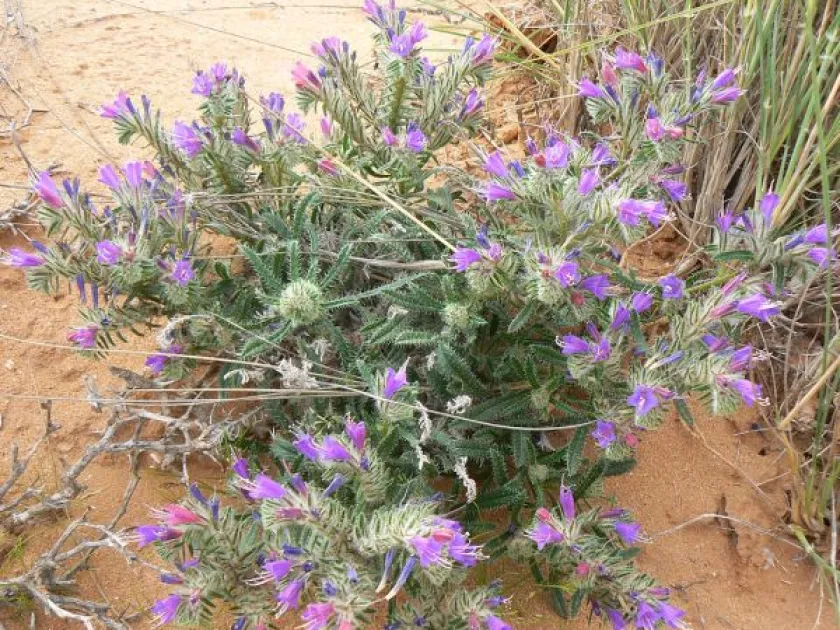
Description
Sowing dates
Anchusa humilis is a perennial herbaceous plant belonging to the Boraginaceae family. Originally from South African regions, it has developed unique botanical adaptations to thrive in specific climatic conditions.
In temperate climates, sowing is recommended in the spring after the danger of frost has passed. For an earlier start, seeds can be sown in trays under greenhouse conditions during late winter.
The optimal temperature for germination is between 18 and 20 degrees Celsius. Seeds should be sown at a shallow depth of 0.5 to 1 centimeter to ensure adequate oxygen exposure.
Germination is relatively slow, necessitating consistent soil moisture during the initial phase. Once the seedlings develop several true leaves, they should be transplanted into individual pots or out into the garden.
Proper spacing between individual plants is essential to ensure air circulation and prevent moisture buildup, which is critical for healthy development.
Growing requirements
This plant has significant light requirements and prefers open, sunny locations. Insufficient light often results in elongated stems and poor flowering performance.
Anchusa humilis is not overly demanding regarding soil type, though it thrives best in light, well-drained loamy or sandy substrates. Adequate drainage is the most critical factor to avoid root rot.
The soil pH should ideally be neutral to slightly alkaline. Incorporating agricultural lime can help adjust acidic soils to the preferred range before planting.
During the active growing season, moderate irrigation is required, especially during dry spells. Overwatering must be avoided to prevent damage to the basal rosette and root system.
Agricultural practices should include periodic cultivation of the topsoil to improve root aeration and regular weeding to prevent competition for nutrients from invasive plant species.
Main diseases and pests
The primary threats to this species include fungal pathogens, which proliferate in environments with high humidity and poor air circulation. Common issues include root rot and powdery mildew.
Pests such as aphids and spider mites can cause significant damage by feeding on tender foliage. Frequent monitoring is necessary for early detection and intervention.
To reduce pest pressure, it is advisable to maintain proper watering schedules and avoid excessive nitrogen fertilizer applications, as these stimulate succulent growth that attracts pests.
Integrated pest management, including the use of biological control agents or targeted chemical applications, should follow established guidelines and local regulations.
Maintaining clean planting areas by removing debris at the end of the season significantly reduces the risk of overwintering pathogens and repeat infections in the following year.