
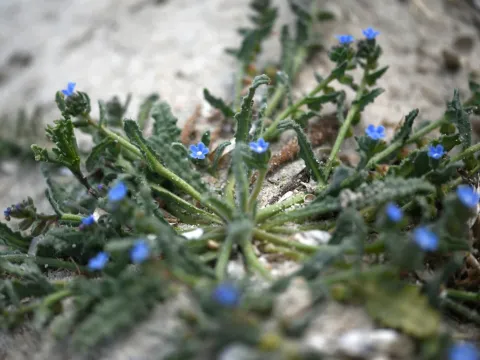
Anchusa crispa
Anchusa crispa
Anchusa crispa is a unique species belonging to the Boraginaceae family. Propagation is primarily carried out through seeds, which require stratification to break dormancy and ensure uniform germination. Sowing is best performed in late autumn or early spring in a prepared seedbed.
What the section contains
Anchusa crispa
When starting indoors, seeds should be sown in a well-draining soil mix in March. A light covering of soil is necessary, as the seeds need a small amount of light to germinate. Maintain an ambient temperature of 18-20 degrees Celsius throughout the initial growth phase.
Transplanting seedlings to their final location is recommended after the danger of frost has passed. Ensure that the young plants are hardened off gradually to acclimatize them to the external environment, which helps in establishing a robust root system early on.
Spacing is critical for the long-term health of Anchusa crispa. Planting specimens about 35-40 centimeters apart allows for adequate airflow, which is vital for preventing humidity-related diseases and supporting vigorous vegetative growth.
The plant typically focuses on developing a dense basal rosette of leaves during its first year of establishment. By the second year, the plant transitions into its reproductive phase, producing characteristic flowering stems that highlight its horticultural value.
This species thrives in sunny locations with well-drained, sandy-loam soils. It is highly intolerant of waterlogged conditions, making proper soil structure and drainage the most important factors for successful cultivation in both garden and open field settings.
The soil pH should ideally be neutral or slightly alkaline. In acidic environments, growth is often stunted, so the application of lime is recommended before planting if the soil test indicates low pH levels. Organic matter improves soil structure but should be applied in moderation.
While Anchusa crispa demonstrates moderate drought tolerance once established, consistent moisture is beneficial during the blooming period. It is essential to water at the base of the plant to avoid wetting the foliage, which reduces the risk of fungal infections.
In regions experiencing harsh winters, a layer of mulch around the crown can protect the plant from freezing damage. Proper winterization ensures the survival of the rootstock, allowing the plant to emerge vigorously in the following spring season.
Maintenance includes weeding around the base and deadheading spent flower stalks to prevent excessive self-seeding. Removing old foliage in late autumn also keeps the garden bed clean and reduces overwintering sites for potential pests.
Fungal diseases, particularly root rots caused by poor soil drainage, represent the primary threat to the health of Anchusa crispa. If the soil remains saturated for extended periods, the root system quickly loses its ability to support the plant.
Powdery mildew is a common issue during warm, humid summers, manifesting as a white, dusty layer on the leaves. Increasing spacing between plants and applying systemic fungicides can effectively manage and prevent the spread of this fungus.
Aphids and spider mites are frequent pests that feed on the sap of young stems and leaf undersides. Early detection through regular monitoring allows for targeted treatment with horticultural oils or approved insecticidal soaps.
Slugs and snails can cause significant damage to the basal foliage during damp conditions. Implementing physical barriers or using organic-approved snail baits is effective in protecting the plant during its vulnerable seedling stages.
To minimize pest and disease pressure, avoid excessive nitrogen fertilization, which leads to soft, succulent growth that is more attractive to insects. A balanced approach to nutrition and site selection remains the best strategy for long-term health.