
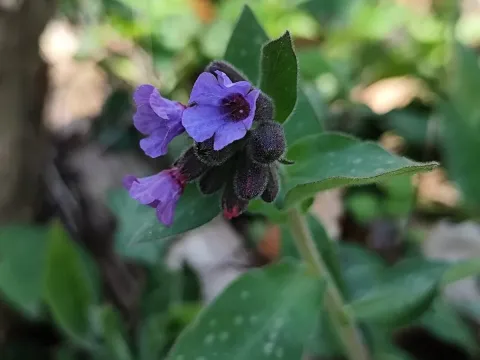
Apennine lungwort
Pulmonaria apennina
Seeds of Pulmonaria apennina are best sown in autumn, as they require a period of cold stratification to break dormancy and ensure high germination rates.
What the section contains
Apennine lungwort
If starting seeds indoors, place them in a refrigerator for 4–6 weeks at temperatures around 2–4 degrees Celsius before moving them to a warmer environment.
Vegetative propagation is the most reliable method for maintaining specific variety characteristics, achieved by dividing the root clumps in early autumn.
When planting, ensure the crown of the root system is just below the surface of the soil to prevent desiccation while maintaining contact with the ground.
Spacing should be kept at 30–40 centimeters apart to allow the plants to develop into lush groundcover without overcrowding each other as they mature.
The Apennine lungwort is a member of the Boraginaceae family, distinguished by its unique spotted foliage and vibrant flowers that bloom in early spring.
It thrives in nutrient-rich, moist, and well-drained soils, ideally located in shaded or semi-shaded areas that replicate its native woodland environment.
Consistent moisture is essential for this crop; therefore, it is recommended to apply organic mulch to preserve soil humidity and protect roots from heat stress.
This plant is highly hardy and can adapt well to various temperate climates, though it requires sheltered spots to protect it from extreme drying winds.
Minimal fertilization is required, but a light application of composted manure in early spring encourages healthy foliage growth and long-lasting flower displays.
Powdery mildew is the most common fungal disease affecting this plant, especially during humid summer months when air circulation is poor between clusters.
Management involves thinning the plants to improve airflow and applying horticultural fungicides if early signs of white fungal patches appear on the leaves.
Gastropods such as slugs and snails are significant pests, particularly for young plants, and can be mitigated by using copper barriers or organic baits.
Root rot caused by stagnant water is a physiological threat, making the provision of a loose, airy soil structure and good drainage a critical success factor.
Maintaining a clean garden bed by removing old plant debris helps reduce the overwintering population of pests and prevents the spread of soil-borne pathogens.