
Anchusa milleri
Anchusa milleri
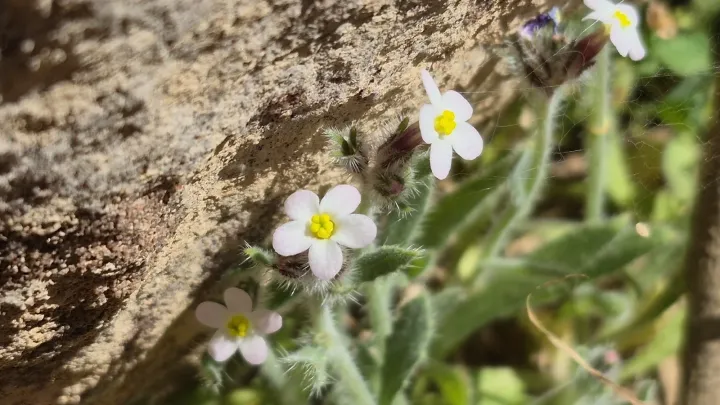
Description
Sowing dates
Sowing seeds of Anchusa milleri is typically performed in early spring once the threat of frost has passed, ensuring stable temperatures for germination.
Autumn sowing is also a viable practice, allowing seeds to experience natural stratification, which often results in more vigorous seedling emergence the following season.
For greenhouse cultivation, seeds are sown in trays during late winter, provided with consistent moisture and bright, indirect light to foster healthy initial growth.
Seeds should be covered with a thin layer of soil, approximately 1–2 cm deep, as they require firm contact with the substrate to absorb necessary water.
Adequate spacing, usually about 30–40 cm between individual plants, is essential to allow for proper air circulation and to prevent the overcrowding of foliage.
Growing requirements
Anchusa milleri is a herbaceous perennial belonging to the Boraginaceae family, characterized by its resilient nature and unique botanical structure.
The plant thrives in full sun exposure, which is necessary to maintain its compact habit and to produce the vibrant display of flowers it is known for.
A well-draining, moderately fertile soil is the most suitable medium for this species, as it is highly sensitive to waterlogged conditions that cause root rot.
Once established, the plant shows remarkable tolerance to dry spells, making it an excellent candidate for xeriscaping or low-maintenance ornamental gardens.
Routine care involves light fertilization during the active growing season and ensuring that the base of the plant remains clear of excessive debris and weeds.
Main diseases and pests
Root rot is the most significant threat to the health of Anchusa milleri, particularly in heavy soils that retain moisture for too long after irrigation or rain.
Powdery mildew can affect the foliage during periods of high humidity and poor ventilation, often requiring targeted fungicidal treatments to control the spread.
Pests such as aphids and slugs may occasionally attack the tender tissues, necessitating early intervention to prevent significant damage to the plant's aesthetic value.
Integrated pest management strategies, such as physical barriers against slugs and regular health monitoring, are recommended to maintain a healthy plant population.
Maintaining proper hygiene by removing dead or dying plant parts helps to reduce the likelihood of fungal pathogens gaining a foothold in the garden bed.