
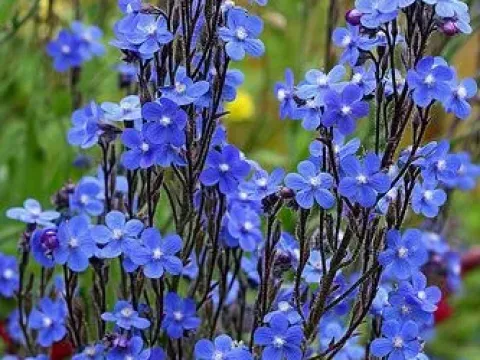
Anchusa hybrids
Anchusa hybrids
Anchusa hybrids belong to the Boraginaceae family. These plants are widely recognized for their intense blue blossoms and vigorous growth in garden landscapes.
What the section contains
Anchusa hybrids
Sowing in open ground is typically performed in late spring once the threat of frost has passed. Early autumn sowing is also practiced in milder climates for winter establishment.
For indoor starts, seeds should be sown in trays during late winter. Providing artificial lighting is essential to prevent etiolation of seedlings during the early growth stages.
Seeds require a shallow planting depth of approximately 1 centimeter to ensure consistent germination. Maintaining stable moisture is critical until the seedlings appear.
Spacing is a crucial factor for healthy development; plants should be kept at least 30 to 45 centimeters apart to facilitate sufficient airflow and prevent crowding.
This crop thrives in well-drained, sandy loam soils with a neutral pH level. It does not tolerate waterlogged conditions, which can be fatal to the root system.
Full sun exposure is necessary for optimal flowering. Anchusa plants grown in partial shade often fail to produce the abundance of blooms they are prized for.
Water requirements are moderate. While the plant is somewhat drought-tolerant once established, supplemental irrigation during dry summer periods is recommended for peak performance.
Fertilization with balanced mineral fertilizers should be applied sparingly, preferably before the onset of the main blooming cycle to encourage floral display.
Overwintering success is high in temperate zones, but adding a layer of mulch around the base of the plant can provide extra protection in harsh climate conditions.
Root rot is the most common health issue for Anchusa, usually caused by over-watering or poor drainage systems in the soil profile.
Fungal leaf spot can occur during humid summers, leading to aesthetic damage and plant stress. Proper spacing and airflow are the best preventative measures.
Pests like aphids are frequently observed clustering on tender new growth. Infestations should be managed early to prevent the spread of plant viruses.
Spider mites can also become an issue during hot, dry spells. Regular inspection of the undersides of leaves helps in identifying early signs of mite activity.
Integrated pest management, including regular removal of diseased plant debris, helps maintain the health and vigor of the entire planting area throughout the season.