
Anchusa cretica
Anchusa cretica
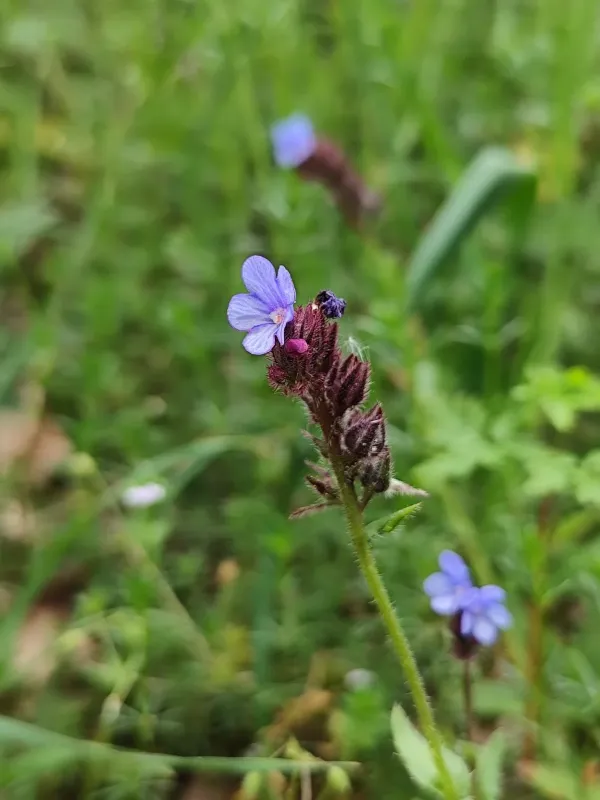
Description
Sowing dates
Anchusa cretica is a notable member of the Boraginaceae family, often cultivated for its attractive blue flowers. Sowing seeds outdoors is best performed in the spring once the ground has warmed up sufficiently to ensure rapid and uniform germination.
For more controlled results, seedlings can be started in trays or pots during early spring in a greenhouse or bright indoor environment. This method helps to avoid potential damage from late spring frosts and guarantees a stronger crop.
When transplanting to the final site, spacing should be set between 30 and 40 centimeters to allow for optimal airflow and development. Proper spacing prevents crowding, which is essential for the health of these plants.
The plant thrives in full sun, which is critical for its flower production and overall vitality. Placing them in well-lit areas ensures the plants remain sturdy and bloom effectively throughout the season.
Seed depth should be kept shallow, typically around 1 to 2 centimeters. Keeping the soil consistently but not excessively moist during the germination period is vital for the successful establishment of the crop.
Growing requirements
Anchusa cretica prefers well-drained, sandy, or loamy soil conditions. It does not tolerate waterlogged ground, which can lead to rapid root degradation, so selecting a site with high natural drainage is a top priority.
The plant is known for its impressive drought tolerance, making it suitable for xeriscaping or low-maintenance garden designs. Once established, it requires minimal additional watering, even during warmer months.
Soil pH should ideally be neutral or slightly alkaline. In areas with acidic soil, the application of lime is recommended to create a more suitable growing medium for this species of the Boraginaceae family.
Maintenance includes weeding around the plant base to reduce competition for nutrients. Regular hoeing of the soil surface helps to keep it aerated and promotes better water infiltration during rain events.
While the plant is relatively undemanding, a light application of a balanced fertilizer during the early bud formation stage can help promote a more vibrant and long-lasting flowering display.
Main diseases and pests
Powdery mildew is the most common fungal issue affecting Anchusa cretica, especially in conditions where air circulation is restricted. Providing adequate space between plants significantly lowers the risk of such outbreaks.
Aphids can occasionally infest the soft terminal shoots of the plant. Applying horticultural soap or appropriate insecticidal sprays at the first sign of an infestation is effective in controlling their population.
Root rot is almost exclusively associated with improper watering habits, specifically excessive soil moisture in poorly draining locations. Improving site drainage is the primary defense against this condition.
Slugs and snails may pose a threat during damp spring months, feeding on the tender foliage of young seedlings. Using protective barriers or organic deterrents can prevent significant damage to the young plants.
Routine inspection of the planting area is the best practice for early detection of potential threats. Removing any severely affected plants prevents the spread of pathogens to healthy parts of the garden.