
Temolaica barberry
Berberis temolaica
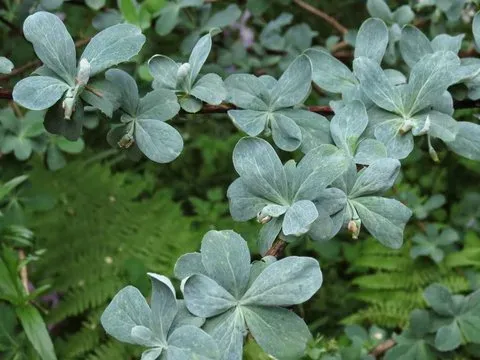
Temolaica barberry (Berberis temolaica) is a unique deciduous shrub belonging to the Berberidaceae family. Originating from the high-altitude regions of Tibet, this plant is known for its remarkable blue-gray bloom on its foliage and stems, providing a stunning contrast in garden compositions.
What the section contains
Temolaica barberry
Botanically, it is a robust shrub that develops bright yellow flowers in the spring followed by elongated berries coated in a characteristic waxy layer. Its structural integrity and foliage color make it a prized specimen among collectors of rare and ornamental woody plants.
The cultivation of this species requires a location with full sun exposure to maintain its distinct coloration, as shade tends to turn the leaves a dull green. It prefers well-drained, nutrient-rich soils and is highly sensitive to waterlogged conditions, which can lead to root system failure.
In terms of climatic adaptability, Berberis temolaica is hardy and capable of surviving significant temperature drops. Gardeners should implement a maintenance program that includes annual pruning during the dormant season to improve airflow through the dense branches and maintain the desired shape.
Regarding its utility, the plant is primarily used in professional landscaping and ornamental gardening for hedge formation or as an accent plant. Its aesthetic qualities, combined with its resistance to harsh weather, make it an excellent choice for temperate climate regions.
The primary health threats to this shrub include fungal diseases such as powdery mildew, which can thrive in humid conditions with poor air circulation. Proper plant spacing during the initial planting phase is critical to prevent these issues from becoming established in the garden.
Pest infestations, particularly aphids and certain leaf-eating beetles, can occasionally threaten the vitality of the plant. A proactive approach using integrated pest management, including regular visual inspections and the application of horticultural soaps, is usually sufficient to manage these risks.