
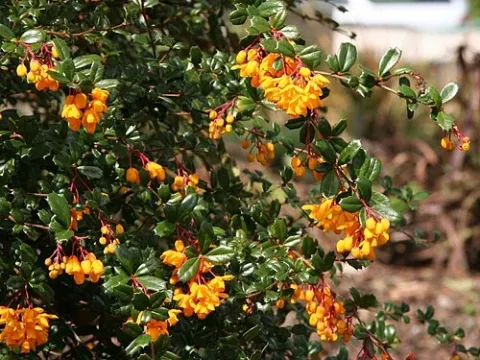
Sprague barberry
Berberis spraguei
Sprague barberry (Berberis spraguei) is a perennial shrub belonging to the Berberidaceae family. This species is valued for its hardiness and versatility, making it a popular choice for both ornamental landscaping and specialized agricultural applications in various climate zones.
What the section contains
Sprague barberry
The plant thrives in well-drained, fertile soils with a neutral or slightly alkaline pH level. It exhibits remarkable frost resistance, allowing it to withstand harsh winter conditions without the need for extensive protection, provided the root system is established.
Cultivation requirements include a sunny location, as the shrub performs best under direct sunlight to maintain the intensity of its foliage color. While it is adaptable to partial shade, full exposure to light significantly enhances its overall vigor and growth rate.
Agronomic management involves periodic pruning to maintain shape and encourage dense branching. Removing old or weak growth during the early spring ensures that the plant allocates energy effectively toward the development of new, healthy shoots throughout the growing season.
Water management is critical during the initial planting stages and periods of prolonged drought. While the species is somewhat drought-tolerant once mature, consistent moisture levels contribute to a healthier appearance and better resistance to environmental stresses.
Sprague barberry is susceptible to common fungal diseases such as powdery mildew and rust, particularly in areas with high humidity and poor air circulation. Proper plant spacing is essential to ensure adequate airflow and reduce the risk of pathogen colonization.
Pests such as aphids and leaf-eating caterpillars can occasionally infest the shrub. Regular monitoring of the underside of leaves and young shoots allows for early detection and targeted management before a significant outbreak occurs.
To prevent disease spread, it is recommended to sanitize garden tools after pruning diseased branches. This simple procedure is highly effective in curbing the transmission of localized infections within the planting area.
Using integrated pest management (IPM) strategies, including the promotion of natural predators, helps maintain a balance within the garden ecosystem. This approach reduces the reliance on synthetic chemicals and promotes long-term plant health.
Autumn maintenance is vital, involving the removal of fallen leaves and organic debris from around the base of the plant. This practice eliminates potential overwintering sites for various fungal spores and harmful insect pupae.