
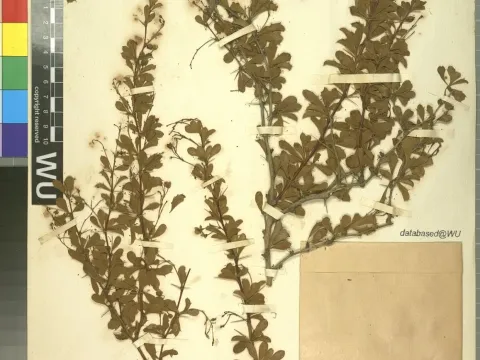
Thin-branched barberry
Berberis leptoclada
Thin-branched barberry (Berberis leptoclada) is a deciduous shrub belonging to the family Berberidaceae, native to the rugged mountainous landscapes of China.
What the section contains
Thin-branched barberry
This species requires well-drained soil with a neutral to slightly alkaline pH to ensure optimal nutrient uptake and root development in various garden settings.
The plant thrives in full sun exposure, which is critical for developing its characteristic branch structure and maintaining healthy leaf pigmentation throughout the season.
Climate adaptability is a hallmark of this species, as it handles temperate zones well, provided it is shielded from severe desiccating winter winds.
In terms of agricultural utility, it is widely utilized for ornamental purposes, serving as an excellent hedging plant or a focal point in specialized rock gardens.
Powdery mildew represents a primary fungal threat, particularly in regions with high ambient humidity and insufficient air circulation within the shrub's canopy.
Aphid infestations are a common pest issue that can lead to stunted growth and leaf curling, necessitating regular inspections during the active growing cycle.
Rust diseases, common within the Berberis genus, require careful management including the removal of infected plant tissues to prevent seasonal sporulation.
Integrated pest management strategies should focus on preventive measures, including proper spacing during planting to ensure natural ventilation.
Systemic fungicide treatments are recommended if symptoms of disease appear, ensuring the health and aesthetic value of the shrub are preserved throughout the year.