
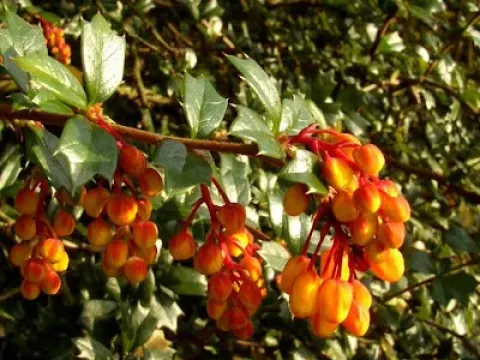
Tibetan barberry
Berberis thibetica
Tibetan barberry (Berberis thibetica) is a distinctive shrub belonging to the Berberidaceae family. Its natural origin is rooted in the high-altitude, rugged terrain of the Tibetan plateau, where it has evolved to thrive in harsh environments.
What the section contains
Tibetan barberry
The plant requires well-drained, porous soil conditions, preferably rocky or sandy loam with a neutral or slightly acidic pH. Avoiding waterlogging is essential for the health of the root system, making the installation of a drainage layer in the planting hole a priority.
Regarding climatic requirements, this species favors cool summers and temperate humidity levels. Its inherent cold hardiness makes it well-suited for cultivation in northern latitudes where temperatures can drop significantly during the winter months.
As a light-loving shrub, Berberis thibetica should be situated in full sun to maximize its ornamental qualities. Adequate spacing is necessary to ensure consistent air circulation, which prevents heat build-up and humidity stagnation around the plant core.
The agronomic maintenance includes light soil cultivation and occasional fertilization with complex mineral compounds. Pruning should be performed during the dormant season to maintain the desired shape and stimulate vigorous growth in the spring.
The most common disease threats include fungal infections such as rust (Puccinia spp.) and powdery mildew. These diseases are exacerbated by high humidity and poor ventilation within the foliage, which can quickly compromise the plant's aesthetic and health.
Insect pests such as aphids, specifically the barberry aphid, are known to target tender new growth. In some instances, leaf miners and sawflies may also cause damage to the leaves during the peak of the growing season.
Integrated pest management involves the removal of diseased twigs and leaf litter as a primary sanitation measure. Applying suitable fungicides at the onset of symptoms or as a preventive spring spray is recommended for effective disease control.
In cases of aphid infestation, horticultural oils or systemic insecticides may be employed to manage pest populations before they cause significant stress to the shrub. Regular monitoring is key to early detection.
By ensuring optimal site selection—characterized by good air drainage and full exposure to sunlight—the vulnerability of the Tibetan barberry to these biological threats is significantly reduced throughout its life cycle.