
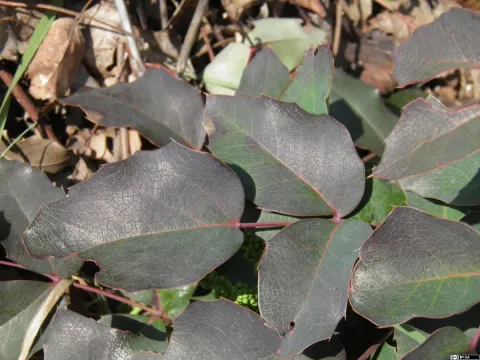
Spreading barberry
Berberis decumbens
The spreading barberry (Berberis decumbens) is a member of the Berberidaceae family. It is an evergreen, low-growing shrub characterized by its sprawling habit, forming dense carpets.
What the section contains
Spreading barberry
Originating from mountainous regions in Asia, the plant is naturally adapted to rocky terrain and well-drained slopes, which dictates its preference for specific growth conditions.
It thrives best in full sun or light shade. Adequate light exposure is essential for maintaining the plant's intense foliage color and compact growth structure.
Soil requirements focus on good drainage. It is highly sensitive to waterlogged conditions, which can lead to root rot; therefore, planting in loose, sandy or loamy soil is highly recommended.
The climate requirements include a preference for temperate zones. While hardy, the plant benefits from protection against harsh winds during the coldest winter months.
The primary use of Berberis decumbens is in landscape architecture. It is widely valued as a groundcover for slopes, rock gardens, and borders.
Though the plant produces berries, they are typically left on the shrub for ornamental purposes, providing winter interest and serving as a food source for local birds.
Maintenance includes light pruning to encourage denser growth. Dead or damaged branches should be removed annually to ensure the plant's health and aesthetic appeal.
Propagation is most effective through layering, given the plant's natural tendency for its branches to take root upon contact with the ground.
In addition to its beauty, the plant's habit effectively inhibits weed growth around its base, reducing the time required for manual maintenance.
Powdery mildew is a common fungal threat, particularly in regions with high humidity or stagnant air conditions, resulting in a visible white coating on the leaves.
Aphids, specifically barberry aphids, are the most frequent insect pests. They feed on succulent growth, potentially stunting the development of the shrub.
Effective management involves ensuring good air circulation around the plants and avoiding overhead irrigation during periods of high disease pressure.
Chemical control with fungicides and insecticides should be used as a last resort, following an integrated pest management approach to protect beneficial insects.
- Regular monitoring for early detection
- Immediate removal of heavily infected foliage
- Appropriate spacing during planting