
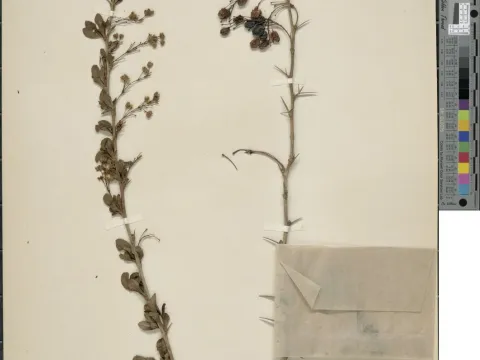
Spreading barberry
Berberis declinata
Spreading barberry (Berberis declinata) is a deciduous perennial shrub belonging to the Berberidaceae family. This species is recognized by its unique branching habit, where the shoots grow in an outward-curved or spreading manner, forming a dense and aesthetic canopy.
What the section contains
Spreading barberry
The plant originates from the mountainous regions of Central and Southeastern Europe. In its natural habitat, it thrives in well-drained, calcareous soils, which is an essential condition for successful cultivation in agricultural and landscape settings.
Optimal growth and vibrant foliage color are achieved when the shrub is planted in full sun. While it can tolerate partial shade, insufficient light will lead to sparse branching and a reduction in the plant's overall decorative impact.
This species is characterized by moderate winter hardiness. Young plants, in particular, benefit from protective measures such as mulching the root zone to safeguard against temperature fluctuations and winter winds during the first few years of establishment.
Agricultural care includes routine soil cultivation, weed management, and supplemental irrigation during prolonged dry spells. While drought-tolerant once established, providing adequate moisture during the growing season promotes better shoot development and flowering.
The primary pathological threats to Spreading barberry include fungal infections like powdery mildew and various types of rust. These diseases flourish in poorly ventilated environments where moisture persists on the foliage for extended periods.
Common insect pests include the barberry aphid, which colonizes new shoots and causes leaf deformation. Left unmanaged, these pests can weaken the plant, making it more susceptible to environmental stress and opportunistic infections.
Integrated pest management involves regular pruning to improve air circulation within the crown, which serves as a natural deterrent against fungal pathogens. Maintaining clean surrounding areas by removing fallen debris is also recommended.
When chemical intervention is necessary, the use of targeted fungicides or systemic insecticides is advised during the early stages of infestation. Always ensure that the treatment is applied according to local agricultural regulations.
Consistent monitoring of the shrub's health throughout the growing season is crucial for successful management. By prioritizing plant hygiene and providing balanced nutrients, growers can minimize the impact of pests and diseases.