
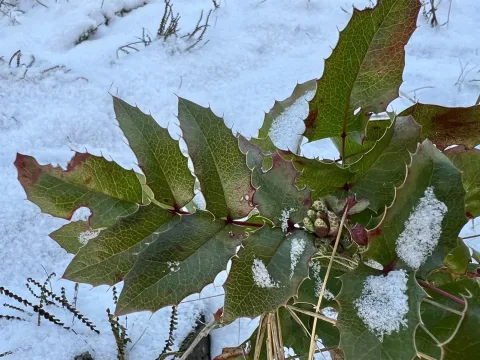
Piper's barberry
Berberis piperiana
Sowing seeds of Piper's barberry is typically performed in the autumn to allow for natural stratification, which is essential for successful germination. Seeds should be sown in prepared nursery beds before the ground freezes, allowing them to experience winter conditions.
What the section contains
Piper's barberry
Vegetative propagation is widely practiced through softwood cuttings taken during the active growth phase in mid-summer. This method ensures that the new plants are genetically identical to the parent shrub, maintaining consistent characteristics.
When planting container-grown specimens, the process can be carried out throughout the growing season, though spring is generally preferred. Early planting allows the root system to become established before the onset of summer heat and winter frost.
Proper site preparation is vital for successful establishment. The soil should be deeply tilled and amended with organic matter to improve aeration and moisture retention, ensuring the roots have a favorable environment to expand.
Spacing requirements must be strictly followed to prevent overcrowding, which restricts airflow and sunlight penetration. It is recommended to place individual bushes 1.5 to 2 meters apart to maintain long-term health and facilitate maintenance access.
Piper's barberry is a member of the Berberidaceae family, valued for its ornamental appeal in landscaping. The species thrives in sunny locations, as sufficient sunlight is crucial for maintaining vibrant foliage color and robust growth.
The plant performs best in well-draining soil with a neutral to slightly alkaline pH. While it is adaptable to various soil types, avoiding heavy clay soils that are prone to waterlogging is essential to prevent root diseases.
Water management should be consistent but moderate. While young plants require regular irrigation to establish their root systems, established shrubs are relatively drought-tolerant and should be watered only during prolonged dry spells.
Fertilization schedules focus on spring nutrient delivery to support new growth and autumn application to prepare the plant for dormancy. A balanced fertilizer helps maintain the overall vigor and disease resistance of the shrub.
Routine pruning is a fundamental aspect of cultivating this species. Regular removal of dead, damaged, or inward-growing branches not only shapes the plant but also improves circulation, which is key to preventing fungal infections.
Powdery mildew is a prevalent fungal issue affecting barberries, appearing as a white, dusty coating on leaves. This condition is most common in humid environments with poor airflow, making strategic pruning a vital preventive measure.
Rust diseases are also significant threats that can manifest as orange spots on foliage. Controlling the humidity around the plant and ensuring proper space between shrubs are the most effective non-chemical strategies to mitigate these risks.
The barberry aphid is a primary pest that colonizes young shoots and leaves, causing curling and stunted growth. Monitoring the underside of leaves during the spring is necessary to catch infestations before they spread across the shrub.
Leaf-rolling caterpillars can also be problematic, feeding on the leaves and reducing the aesthetic value of the plant. If caught early, manual removal is often effective, but biological controls can be used for larger populations.
Sanitation practices, such as clearing leaf litter from the base of the plant in late autumn, are critical for disease prevention. By removing potential overwintering sites for pathogens, you significantly enhance the long-term health of your planting.