
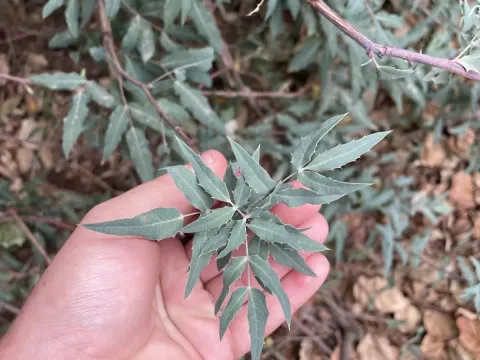
Nevin's barberry
Berberis nevinii
Propagation of Nevin's barberry is typically achieved through seeds, which require stratification to break dormancy and ensure high germination rates.
What the section contains
Nevin's barberry
Sowing in autumn allows the seeds to experience natural seasonal changes, which significantly improves the vigor of the resulting seedlings.
Softwood or semi-hardwood cuttings are another viable option, usually harvested in mid-summer for propagation in protected environments.
Using a rooting hormone can help speed up the development of the root system when preparing cuttings in specialized nursery soil mixtures.
After successful rooting, young plants require a gradual hardening-off process before being moved to the permanent outdoor location.
Nevin's barberry is a distinguished member of the Berberidaceae family, native to the arid landscapes of California.
This shrub is exceptionally well-adapted to hot, sunny climates and functions as a perfect choice for xeriscaping or dry gardening projects.
The plant thrives in well-drained, slightly alkaline soil and displays remarkable resilience once established in its natural environment.
Avoid planting in areas prone to waterlogging, as the root system of Berberis nevinii is sensitive to excessive moisture and lack of aeration.
Minimal fertilization is required, as this species is naturally adapted to survive in lean, low-nutrient soils found in its original habitat.
Common issues include fungal infections such as powdery mildew, which often occur if there is insufficient air circulation around the foliage.
Aphids can be problematic during the spring growth flush, necessitating early intervention to prevent them from damaging tender new shoots.
Maintaining proper distance between shrubs is a cultural control method that helps reduce the prevalence of both pests and diseases.
Integrated pest management, including the use of horticultural oils or soaps, is recommended for controlling insect populations safely.
Regular monitoring of the underside of the leaves is critical to detect early signs of infestation and to initiate prompt treatment.