
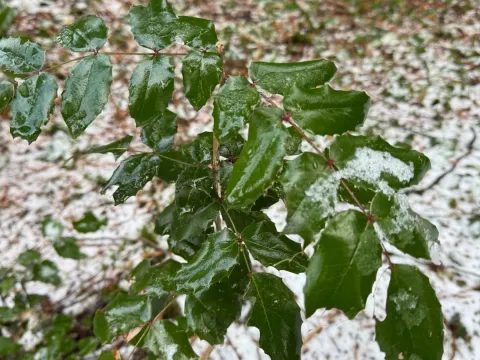
Oregon grape
Berberis aquifolium
Propagation of Oregon grape is primarily achieved through vegetative methods such as cuttings or layering, which ensures the consistency of the cultivar's traits. Planting rooted cuttings or nursery stock is best performed during the spring or autumn months to allow for proper root establishment.
What the section contains
Oregon grape
Seed propagation requires stratification, as seeds need exposure to cold temperatures for several months to break dormancy. Sowing seeds directly into the soil before winter is an effective technique, as it allows for natural stratification in outdoor conditions.
When selecting a planting site, choose an area that provides protection from intense midday sun, although the plant is quite versatile regarding light requirements. Ensure a planting distance of at least 1 to 1.5 meters between bushes to facilitate proper air circulation and growth.
Young plants require consistent irrigation until they are well-established. Maintaining a weed-free zone around the base of the plant is crucial during the initial stages to minimize competition for nutrients and moisture in the soil.
A well-prepared planting hole containing a mixture of fertile topsoil, organic matter, and sand is recommended for optimal development. Providing a drainage layer at the bottom of the pit helps prevent root rot in poorly draining soils.
Oregon grape is a member of the Berberidaceae family and is highly valued for its exceptional cold hardiness and environmental adaptability. It thrives in temperate regions and can withstand significant frost without experiencing severe damage to its stems.
The plant prefers fresh, well-drained, fertile loamy soils with a neutral to slightly alkaline pH. While it is adaptable, it performs poorly in waterlogged soils; therefore, ensuring good drainage is a prerequisite for long-term health and productivity.
Originally native to North America, where it grows in woodland understories, the plant demonstrates a clear preference for partially shaded environments. However, with adequate moisture, it can perform well in sunnier locations, maintaining its attractive foliage color.
Routine care involves applying mineral fertilizers during the early spring growth phase and mulching with organic material, such as compost or well-rotted manure, every few years. This practice improves soil structure and nutrient availability.
Sanitary pruning is essential and should be carried out in early spring to remove old, damaged, or overcrowded branches. This promotes the regeneration of the shrub and keeps the plant visually appealing throughout the changing seasons.
The economic value of Oregon grape lies in its dual purpose as an ornamental shrub and a source of edible berries for the food and pharmaceutical sectors. Stable fruit production usually begins after the plant reaches 3 to 4 years of age.
The berries are dark blue with a waxy bloom and possess a distinct tart flavor. They are rich in vitamin C and organic acids, making them suitable for the production of preserves, jellies, juices, and even artisanal wines.
Beyond the fruit, the roots and bark contain the alkaloid berberine, which is extensively utilized in modern medicine for its antimicrobial and anti-inflammatory properties. This secondary utility adds significantly to the plant's agricultural profile.
Harvesting is typically done by hand once the clusters reach peak maturity. The berries should be handled carefully to avoid crushing, as they are relatively delicate despite their firm skins, and they have a short shelf life in fresh conditions.
The shrub is also a recognized pollinator-friendly plant, attracting bees and beneficial insects to the farm or garden. Its evergreen foliage provides year-round aesthetic interest, enhancing the value of the landscape beyond its primary harvest.
Oregon grape is inherently resistant to many common pests and diseases, which makes it an excellent candidate for low-maintenance or organic farming systems. Nevertheless, environmental stressors can occasionally lead to the development of fungal issues.
Powdery mildew is the most common threat, often appearing in conditions of high humidity and poor air circulation. Management strategies include regular thinning of the branches to improve airflow and the use of copper-based fungicides when necessary.
Rust diseases may also affect the foliage under specific environmental conditions, necessitating consistent monitoring during the active growing season. If detected, prompt removal of affected plant parts is recommended to prevent spreading.
Pests like aphids can infest young shoots, potentially weakening the plant if left untreated. Integrated pest management, including the use of biological control agents or insecticidal soaps, is usually sufficient to handle these occurrences.
Adhering to best horticultural practices, such as proper spacing and appropriate watering, significantly reduces the plant's susceptibility to diseases. A healthy, well-nourished Oregon grape shrub possesses the natural vigor to resist most common threats.