
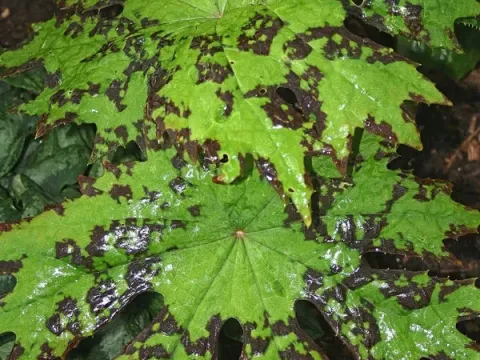
Podophyllum delavayi
Podophyllum delavayi
Propagation of Podophyllum delavayi is primarily achieved through division of rhizomes in early spring or late summer when the plant is dormant. Seed propagation is also possible but requires a cold stratification period of several months to break dormancy.
What the section contains
Podophyllum delavayi
Seeds are sown in a loose, humus-rich substrate at a depth of about 1–2 cm. Maintaining consistent moisture is critical for germination, as the seeds often exhibit a slow and staggered emergence process.
The planting site should be chosen in sheltered woodland conditions, avoiding direct midday sun which can scorch the leaves. Spacing should be approximately 40–50 cm apart to allow for proper rhizome expansion over the years.
Before planting, the soil should be amended with well-rotted leaf mold or compost. This creates a porous structure that supports healthy root development and mimics the natural forest floor environment.
During the first year, young plants require vigilant care, including regular watering and weed management. Establishing a stable environment early on is essential for the long-term success of the cultivation.
Podophyllum delavayi is a member of the Berberidaceae family, originating from the mountainous regions of China. It thrives in cool, moist, and shady environments, making it a perfect candidate for woodland gardens or specialized medicinal plantations.
The crop requires fertile, well-draining soil with an acidic to neutral pH level. Waterlogging must be strictly avoided, as the rhizomes are prone to rot if kept in saturated or poorly drained conditions.
Botanically, the plant is characterized by its umbrella-like leaves and unique flowers that often hang beneath the foliage. It prefers stable temperatures and protection from harsh, drying winds that can affect leaf quality.
In colder regions, winter protection such as leaf litter or mulch is necessary to insulate the rhizomes from deep frost. This also helps to retain moisture during the spring thaw.
Supplementary feeding with organic matter rather than high-nitrogen fertilizers supports steady, natural growth. Agronomic practices should focus on maintaining high soil moisture levels without compromising drainage.
The economic value of Podophyllum delavayi lies in its rhizomes, which contain podophyllotoxin, a bioactive compound utilized in the pharmaceutical industry for the production of anti-cancer drugs.
The yield of active ingredients is dependent on the maturity of the crop. Plantations are typically harvested after 5 to 7 years of growth to ensure a significant accumulation of secondary metabolites within the rhizomes.
Consistent care during the growing cycle, including moisture control and moderate fertilization, significantly improves the yield of high-quality medicinal raw material per hectare.
Harvesting is conducted in autumn, following the natural senescence of the above-ground biomass. At this stage, the concentration of active alkaloids is at its highest, ensuring maximum pharmaceutical efficacy.
Post-harvest processing is critical and involves washing the rhizomes to remove soil, followed by carefully controlled drying. Correct drying temperatures are vital to preserve the chemical integrity of the active compounds.
Fungal diseases, specifically root and crown rots, represent the most significant threat to the crop, particularly in damp and poorly ventilated conditions. Improving air circulation around the plants is an essential preventative measure.
Slugs and snails are common pests that can cause significant damage to young leaves during the early spring. Monitoring and the use of physical or biological deterrents are necessary to protect plant vigor.
Leaf spot diseases can also occur if the humidity remains too high for extended periods. Sanitation, including the removal of infected plant material, helps prevent the spread of pathogens.
Soil-borne pests can occasionally damage the rhizomes, necessitating regular inspection of the planting area. Proactive site management helps reduce the impact of these potential threats.
In industrial settings, the use of prophylactic bio-fungicides is recommended during wet seasons to mitigate the risk of disease outbreaks and maintain the health of the medicinal crop.