
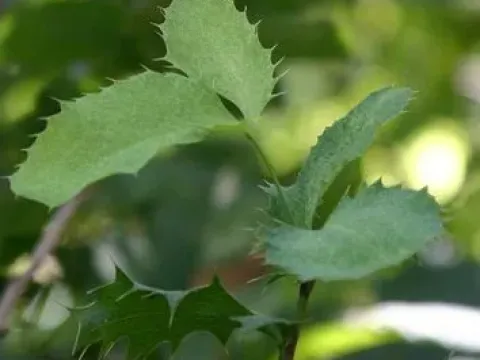
Neubert's Barberry
Berberis neubertii
Neubert's Barberry (Berberis neubertii) is a notable intergeneric hybrid resulting from a cross between Berberis vulgaris and Mahonia aquifolium. It belongs to the Berberidaceae family, displaying morphological traits that bridge the characteristics of both parents.
What the section contains
Neubert's Barberry
This shrub is highly valued for its semi-evergreen foliage, which provides structural interest throughout the seasons. The leaves are leathery and often retain their color well into the late autumn months, making the plant a versatile addition to any landscape design.
The plant thrives best in sunny or partially shaded locations with well-drained, fertile soil. It is relatively tolerant of various soil types, ranging from acidic to slightly alkaline, provided that there is no chronic waterlogging that could stress the root system.
Agrotechnical practices for this culture are straightforward. It requires minimal regular maintenance, primarily involving spring pruning to remove dead or diseased branches and maintain the desired shape and size of the shrub.
Neubert's Barberry is predominantly used for ornamental purposes in garden design. Its robust nature makes it an excellent candidate for hedges, mixed shrub borders, or as an attractive solitary element in residential landscaping.
The primary diseases affecting this plant include powdery mildew and rust, which often occur if the shrub is planted in areas with poor airflow and high ambient humidity levels.
Insects such as aphids and leaf-rolling caterpillars are common pests that may feed on the tender young growth during the peak spring and early summer periods.
Effective management includes proper spacing during planting to ensure good air circulation, which significantly reduces the risk of fungal infections within the foliage.
If infestation or infection is detected, application of appropriate fungicidal or insecticidal sprays is necessary to mitigate damage and promote recovery of the plant's vigor.
Consistent monitoring and early intervention are essential components of maintaining the plant's health and aesthetic appeal in a home garden setting.