
Poiret's barberry
Berberis poiretii
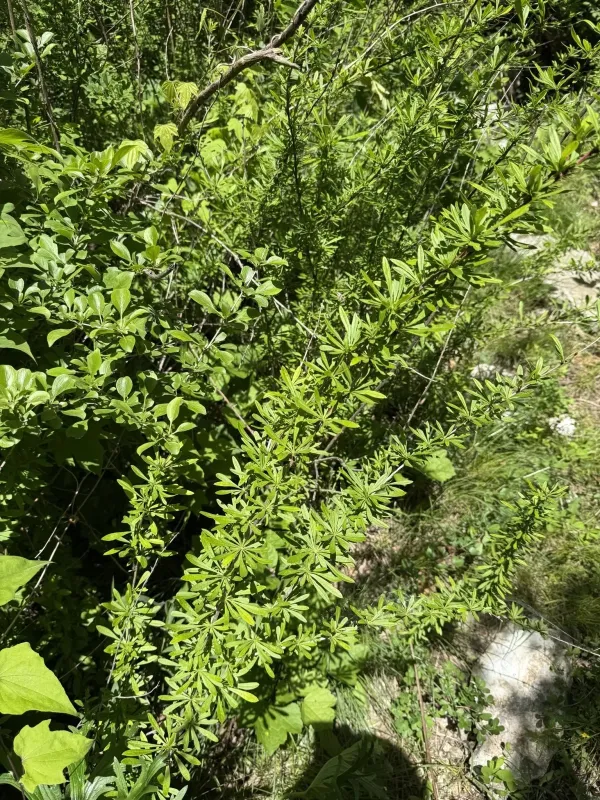
Description
Sowing dates
Propagation of Poiret's barberry is most commonly achieved through seeds or stem cuttings. Seeds are best sown in late autumn, as they require natural stratification in the soil to successfully germinate in the spring.
When sowing in the autumn, seeds are placed in prepared furrows at a depth of 2-3 centimeters. If spring sowing is planned, seeds must be stratified in a refrigerator at temperatures between +1 and +5 degrees Celsius for 3-4 months.
Cuttings are taken during the summer period, usually in June, using semi-hardwood shoots of the current year. To improve rooting, cuttings are treated with growth stimulants and planted in a lightweight substrate under plastic to maintain high humidity.
Young seedlings are transplanted to their permanent location in early spring before sap flow begins or in the autumn after leaf fall. It is important to maintain a distance of at least 1.5-2 meters between bushes to ensure adequate air circulation.
The choice of planting site should consider the need for good lighting. While the plant can tolerate partial shade, sunny locations are preferred to encourage bright autumn foliage colors and abundant fruit production.
Growing requirements
Poiret's barberry belongs to the Berberidaceae family and is a deciduous shrub characterized by high winter hardiness. It is native to Northeast China and Korea, successfully adapting to temperate climates.
The plant has moderate soil requirements, preferring fertile, well-drained loams with a neutral or slightly alkaline pH. The culture is highly sensitive to waterlogging, making proper drainage essential in heavy soil types.
In the first years of growth, the plant requires regular watering, though mature specimens exhibit significant drought tolerance. During dry spells, moderate watering at the base is acceptable to prevent premature leaf drop.
Agronomic management includes annual sanitary pruning, carried out in spring before buds break. This procedure involves removing all dead, damaged, and crossing branches to rejuvenate the bush and maintain its ornamental shape.
Winter preparation in regions with harsh climates consists of mulching the root zone with peat or dry leaves. Mature Poiret's barberry bushes are capable of withstanding severe frosts without additional canopy protection.
Main diseases and pests
Fungal diseases, such as powdery mildew, pose the main threat to the plant, appearing as a white coating on the leaves. Control involves spraying with sulfur-based fungicides or systemic chemical treatments.
Rust infections are also common, manifesting as orange spots on the underside of leaves. Prevention involves the timely removal of infected parts and the use of copper-based treatments.
Among pests, barberry aphids and geometer moth larvae can cause significant damage. Aphids suck sap from young leaves, causing deformation and curling, which requires immediate insecticide application at the initial stage of infection.
Bacteriosis and shoot wilting are less frequent but require radical measures, including pruning infected branches back to healthy wood followed by tool sterilization. Maintaining proper moisture balance is crucial to prevent root rot.
- Regular weeding and soil aeration.
- Consistent monitoring for signs of pest activity.
- Use of biological products for preventive disease management.