
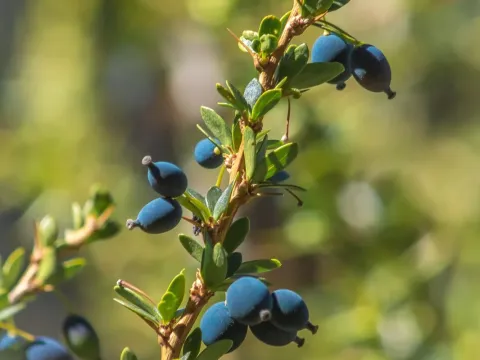
Mountain barberry
Berberis montana
Mountain barberry (Berberis montana) is a perennial shrub belonging to the Berberidaceae family. Originating from the mountainous regions of South America, specifically Chile and Argentina, this species is well-adapted to rugged terrains and varying environmental stresses.
What the section contains
Mountain barberry
The plant thrives in well-drained, fertile soil with a slightly acidic to neutral pH. Proper soil aeration is essential for the healthy development of its root system, as the species is highly susceptible to root decay if the substrate remains saturated for extended periods.
Regarding climatic needs, this shrub prefers locations with full sunlight to partial shade. Exposure to light is crucial for maintaining the plant's structural integrity and stimulating the production of dense foliage, which is characteristic of the mountain varieties.
Cultivation practices involve consistent pruning, typically performed in late winter or early spring. Removing dead or crossing branches promotes better airflow within the canopy, which is a vital preventative measure against the accumulation of pathogens in the shrub's center.
Watering requirements are moderate; however, young specimens require extra attention during their establishment phase. Mulching the base of the plant helps to regulate soil temperature and moisture levels, mimicking the natural forest-floor conditions of its native habitat.
Berberis montana is primarily threatened by fungal diseases such as powdery mildew, especially in humid or stagnant air conditions. This disease manifests as white patches on leaves and can weaken the shrub if left untreated.
Rust diseases are another common concern, often causing discoloration and premature defoliation. Growers should monitor the foliage throughout the growing season and apply appropriate fungicide treatments if initial symptoms are identified.
Pest pressures include aphids, which often cluster on fresh, tender growth. Aphid infestations can lead to stunted shoot development and the spread of viral infections between plants within the plantation or landscape.
Leaf rollers and other lepidopteran larvae can also cause significant damage by feeding on young foliage and tying leaves together. Hand-picking or targeted biological control methods are often effective in small-scale plantings.
To ensure long-term plant health, maintain a strict schedule of monitoring and sanitation. Keeping the area free of debris and ensuring proper spacing between plants significantly reduces the habitat suitability for both common pests and fungal pathogens.