
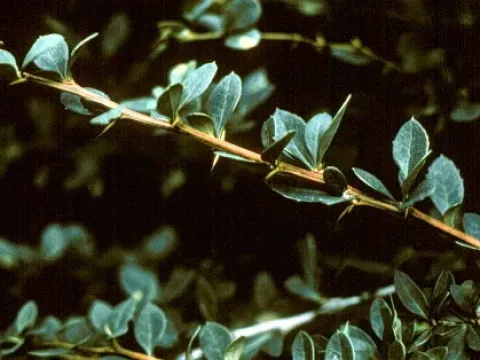
Mentor barberry
Berberis mentorensis
Mentor barberry (Berberis mentorensis) is a hardy hybrid deciduous shrub belonging to the Berberidaceae family. It is a result of a cross between Berberis julianae and Berberis thunbergii, combining the best features of both parents.
What the section contains
Mentor barberry
The plant is highly valued for its ecological adaptability, being able to thrive in diverse temperate climates. It exhibits remarkable drought tolerance and remains resilient even in challenging urban environments with high pollution levels.
For optimal growth and aesthetic performance, the shrub requires a location with full sun exposure. While it can survive in partial shade, direct sunlight is essential to achieve the most vibrant foliage colors throughout the season.
In terms of soil, Mentor barberry is quite versatile. It prefers well-drained sandy loam or clay soil with a neutral to slightly alkaline pH level. Ensuring good soil drainage is critical as the plant is sensitive to prolonged waterlogging of the roots.
Cultural practices mainly involve periodic pruning to maintain shape and density. This species responds exceptionally well to shearing, making it an excellent choice for structured hedges, borders, or creative topiary designs.
One of the primary benefits of this specific hybrid is its strong natural resistance to many common fungal diseases that often affect other barberry species, such as rust.
Under conditions of high humidity or poor air circulation within the canopy, the plant may occasionally become susceptible to powdery mildew. Ensuring proper spacing during planting helps mitigate this risk significantly.
Insect pests such as barberry aphids can sometimes infest new growth during the spring season. If detected early, these infestations can be managed effectively with targeted insecticide treatments or horticultural oils.
Larvae of moths like the barberry geometrid might cause foliage damage. Regular garden inspections during the growing season allow for the early detection and management of these potential threats before they escalate.
Maintaining overall plant vigor through proper fertilization, mulching, and routine care is the most effective way to improve natural defenses against diseases and environmental stressors.