
Tolpis
Tolpis
Tolpis is a genus of flowering plants belonging to the Asteraceae family. These plants are native to the Macaronesian islands, the Mediterranean region, and parts of Europe, where they grow in diverse open habitats.
What the section contains


Tolpis
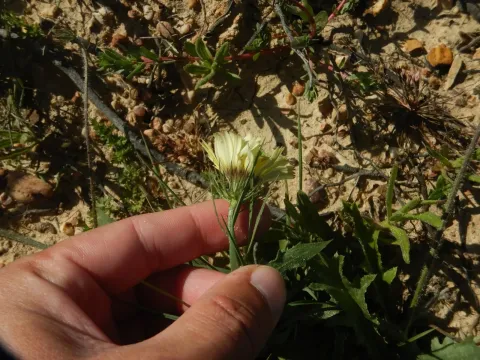
Botanically, Tolpis plants are characterized by their herbaceous stems and dandelion-like flower heads. The petals are typically yellow, sometimes with a contrasting central spot, which adds a distinct aesthetic appeal to gardens and natural meadows.
The plant requires well-drained, sandy or rocky soils to thrive. It is sensitive to waterlogging, which can lead to rapid decay of the root system, so light and aerated soil compositions are essential for healthy development.
Regarding climate, Tolpis favors sunny positions with mild to warm temperatures. It is well-adapted to Mediterranean conditions, but when grown in cooler temperate regions, it is usually treated as an annual or grown in controlled greenhouse environments.
The primary use of Tolpis is in ornamental horticulture. It is highly valued for naturalistic planting schemes, rock gardens, and borders, providing a delicate, wild-flower appearance that is increasingly popular in sustainable landscaping.
The most significant threats to Tolpis are fungal diseases, particularly powdery mildew and root rot, which are often exacerbated by poor air circulation or over-watering. Maintaining a dry and ventilated environment is the best prevention strategy.
Common pests include aphids and spider mites, which can infest the foliage during periods of dry, hot weather. Regular monitoring and, if necessary, the application of horticultural soaps are recommended to keep the plants healthy and vigorous.