
Tolpis virgata
Tolpis virgata
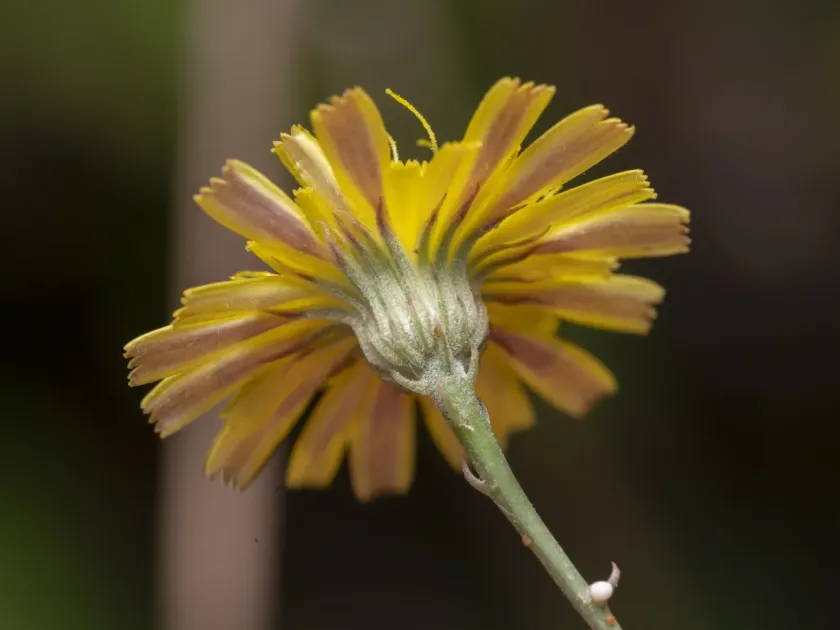
Description
Sowing dates
Tolpis virgata is a perennial herbaceous plant belonging to the Asteraceae family. Sowing is typically performed in early spring once soil temperatures reach a consistent range of 12-15 degrees Celsius, allowing for effective germination and establishment of the root system.
The seeds should be sown at a shallow depth of approximately 1-2 centimeters. Due to their small size, ensuring good contact with the soil surface while avoiding burial in deep, compacted layers is essential for successful seedling emergence in diverse agricultural conditions.
Optimal sowing density is highly dependent on the final application, whether for biomass production or landscape utilization. High-density planting requires careful spacing to ensure that each individual plant receives sufficient air circulation, which is crucial for reducing humidity-related diseases.
For large-scale cultivation, precision seed drills are recommended to maintain uniform spacing. Seedling establishment may benefit from a light application of starter fertilizers, focusing on phosphorus to encourage early root development before the onset of the main vegetative growth phase.
Maintaining consistent moisture levels in the seedbed during the first two weeks post-planting is critical. Irrigation systems should be calibrated to avoid washing away seeds or causing crusting of the soil surface, which can physically impede the delicate emerging shoots.
Growing requirements
Originating from Mediterranean climates and Macaronesia, Tolpis virgata thrives in well-lit, sunny environments. Exposure to full sunlight is necessary to maintain the plant's structural integrity and promote vigorous flowering during the peak of the growing season.
The crop prefers well-drained, sandy-loam soils with a neutral pH. It is highly sensitive to waterlogging; therefore, selecting fields with good drainage or implementing sub-surface drainage systems is vital for preventing root hypoxia and subsequent plant decline.
Temperature management should prioritize moderate conditions. While the plant can tolerate some heat, extreme temperatures coupled with high humidity can stress the plant. Proper ventilation in closed or semi-enclosed growing environments is necessary to mitigate these issues.
Nutrient management involves balanced fertilization. While the plant is not overly demanding, supplemental nitrogen can be beneficial during the vegetative stage, whereas increased potassium is recommended as the plant approaches the reproductive and flowering phases.
Weed management should be conducted primarily in the early stages of growth. Mechanical inter-row cultivation is preferred over excessive chemical herbicide use, as this helps to keep the soil aerated and facilitates better moisture penetration for the developing root systems.
Main diseases and pests
The primary threats to Tolpis virgata include fungal pathogens such as powdery mildew, which thrive in stagnant air and high-humidity environments. Maintaining proper spacing and monitoring foliage health are the most effective preventive measures against such infections.
Pests, particularly aphids, pose a significant risk, especially during periods of warm, dry weather. These insects can cause stunted growth and act as vectors for various plant viruses, necessitating a robust scouting program and the use of targeted biological controls.
Root rot caused by Phytophthora species can occur if the soil moisture levels are not properly managed. Ensuring that the soil does not stay saturated for extended periods is the most important defense strategy for maintaining the long-term health of the plant stands.
Invasive weed species can also be a significant threat, competing for nutrients and water. Implementing a strict crop rotation schedule helps reduce the pressure from these weeds and prevents the buildup of soil-borne pathogens specific to the Asteraceae family.
Early detection and prompt removal of infected plant tissue are essential protocols in modern agronomy. Integrated Pest Management (IPM) practices, including the use of beneficial insects, can significantly reduce the need for synthetic pesticides and improve overall field sustainability.