
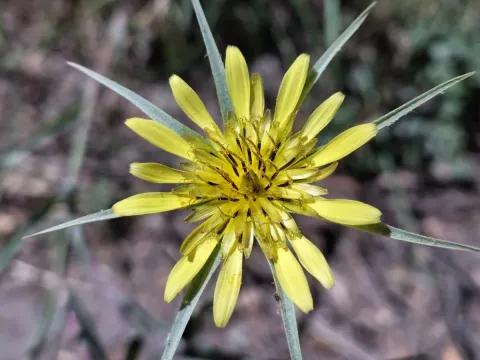
Tragopogon
Tragopogon
Tragopogon, commonly known as salsify or oyster plant, is a hardy biennial vegetable that is best sown in early spring as soon as the soil can be worked. It requires a long growing season to develop significant root size.
What the section contains

Tragopogon
Seeds should be planted at a depth of 2–3 centimeters in rows spaced at least 30 centimeters apart. Proper spacing is essential to ensure that the roots have sufficient room to expand without becoming stunted or twisted.
Germination typically occurs within 10 to 14 days under optimal conditions. Once the seedlings develop two true leaves, they must be thinned to a distance of 10–15 centimeters between plants to prevent competition.
The soil must be kept consistently moist during the germination phase to ensure a uniform stand. Drying out of the seedbed during the first two weeks can significantly reduce the overall success of the crop.
As a member of the Asteraceae family, the plant focuses on establishing a strong vegetative rosette in its first year, channeling energy into the edible taproot that develops deep into the soil.
Salsify thrives in deep, loose, well-drained loamy or sandy soils. Soil must be free of stones and debris, as obstructions can cause the long, tapering roots to fork and become difficult to harvest.
The site should be in full sun to maximize photosynthesis and root development. Avoid planting in soils that are heavy or clay-like, as these often lead to poor root shape and increased susceptibility to rot.
Although it is a cool-season crop, Tragopogon prefers moderate temperatures. It is highly frost-tolerant, and in many regions, the roots can actually be left in the ground throughout the winter to improve their flavor.
Fertilizer application should be cautious; excessive nitrogen encourages leafy growth at the expense of root development. Compost should be thoroughly incorporated into the soil months before planting, rather than applied fresh.
Regular weeding is critical, especially during the early stages of growth when the plant is relatively small. Weeds can quickly overwhelm the crop, so maintaining a clear space around the rows is necessary.
The potential yield for Tragopogon is significant if environmental conditions and soil structure are optimized. Growers can expect between 2 to 4 kilograms of roots per square meter of cultivated land.
Yield is directly influenced by the depth and quality of soil preparation. Because the roots can grow quite long, deep tillage before planting is the most important factor in achieving high-quality, straight roots.
Supplementary potassium and phosphorus fertilizers applied during the mid-season can help improve the density and starch content of the roots, leading to a higher quality yield for culinary purposes.
Timely thinning is a major determinant of yield. Plants that are left too close together will struggle to reach marketable sizes, resulting in thin, spindly roots that are harder to clean and prepare.
Proper harvesting techniques ensure that more of the yield is preserved for market or consumption. Using the right tools helps prevent breakage, which is the most common cause of post-harvest losses.
The primary soil-borne pests for Tragopogon include wireworms and mole crickets, which can chew through the taproots, leaving them scarred and susceptible to secondary bacterial infections or fungal decay.
Fungal diseases like white rot and powdery mildew are prevalent when humidity levels are high and air circulation is poor. These conditions are often a result of overcrowding or poorly managed drainage in the field.
Aphids can infest the foliage, particularly during dry spells, which weakens the plant's overall vigor. Monitoring the leaves for signs of sap-feeding insects is an important part of integrated pest management.
Crop rotation is the most effective preventative measure against persistent soil-borne pathogens. Avoid planting Tragopogon in soil where other Asteraceae crops were grown in the previous season.
Good field hygiene, including the prompt removal of crop debris after harvest, helps interrupt the life cycles of common pests and prevents the buildup of fungal spores in the soil environment.
Harvesting usually takes place in late autumn, once the foliage begins to turn yellow or brown. This indicates that the plant has ceased active growth and the roots are at their peak for nutrition.
Garden forks are the preferred tool for harvesting, as they allow the grower to lift the roots from deep in the soil without snapping them. Gently loosening the soil around the taproot is key to success.
After extraction, the foliage should be trimmed to about 2 centimeters from the crown. Excess soil should be brushed off, but the roots should not be washed until they are ready to be used, as this affects storage.
Tragopogon is famous for its winter hardiness, and many gardeners prefer to harvest in early spring after the ground thaws. The freezing process converts starches into sugars, resulting in a much sweeter root.
For storage, keep the roots in a cool, dark, and humid environment. Storing them in containers filled with slightly damp sand helps prevent shriveling and maintains their texture for several months.