
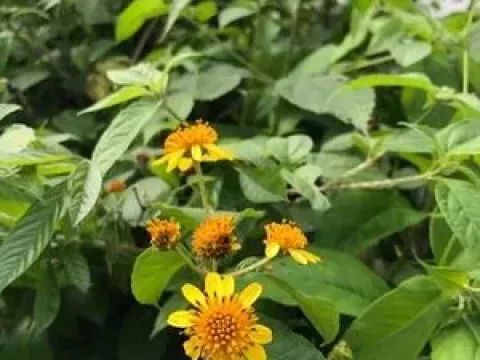
Tilesia
Tilesia
Sowing dates for Tilesia are determined by the regional climate and the readiness of the soil to support germination. It is generally recommended to sow when soil temperatures have stabilized and the risk of late frosts has completely disappeared.
What the section contains

Tilesia
The depth of sowing should be strictly controlled, as consistent placement is critical for uniform crop emergence. Typically, seeds are placed at a depth that balances moisture access with the plant's ability to push through the soil surface effectively.
Row spacing is an essential factor in Tilesia management, directly influencing the density of the crop. Proper spacing ensures that each individual plant has sufficient space for root development and access to vital solar radiation throughout the day.
Mechanical sowing equipment should be calibrated to maintain a steady seed rate across the entire field. High-precision drills are preferred to avoid overcrowding, which can create microclimates that encourage disease development within the plant canopy.
Post-sowing cultivation often includes light rolling of the field to improve seed-to-soil contact. This practice is especially valuable in drier climates or lighter soil types, where maintaining consistent moisture levels for the seeds is a priority.
Tilesia is a member of the Asteraceae family and is known for its high light requirements. It thrives in open, sunny locations where it can capture maximum energy for biomass accumulation, making field orientation a key consideration for farmers.
Regarding soil, the crop prefers fertile, well-drained loams with a neutral pH level. Such conditions support the root system and ensure that nutrients remain available to the plant throughout the various stages of its vegetative growth cycle.
Water requirements are moderate, but consistency is key during the rapid growth phase. Irrigation may be necessary in regions with sporadic rainfall to prevent water stress, which can negatively impact the final quality and yield of the harvest.
Agronomic practices for this crop focus on balanced nutrient management. Applying nitrogen early in the season encourages leaf production, while supplementary phosphorus and potassium are essential for developing robust stems and productive reproductive organs.
Soil management also involves regular aeration. By keeping the topsoil loose, farmers improve root respiration and help the soil structure maintain its integrity, which is vital for long-term productivity and sustainable agriculture practices.
Fungal diseases are among the primary threats to Tilesia, especially in regions with high humidity or poor field drainage. These pathogens can cause root rot or foliar blight, significantly reducing the crop's ability to photosynthesize effectively.
Insect pests, including aphids and various leaf-eating beetles, pose a recurring challenge. If left unmanaged, these pests can damage the foliage and stunt plant growth, leading to reduced yields and lower market value for the harvested produce.
Integrated Pest Management (IPM) is the most effective approach for maintaining healthy crops. This includes using resistant varieties, maintaining optimal plant spacing to discourage disease, and applying targeted treatments only when necessary.
Weed management is also critical, as weeds compete with Tilesia for nutrients, water, and light. Additionally, certain weeds serve as alternative hosts for pests, making consistent field sanitation a vital part of the overall farm management strategy.
Finally, end-of-season field cleaning is essential. Removing or deeply incorporating crop residue helps prevent the carryover of pathogens and pests into the next growing season, providing a clean slate for future plantings.