
Tolpis macrorhiza
Tolpis macrorhiza
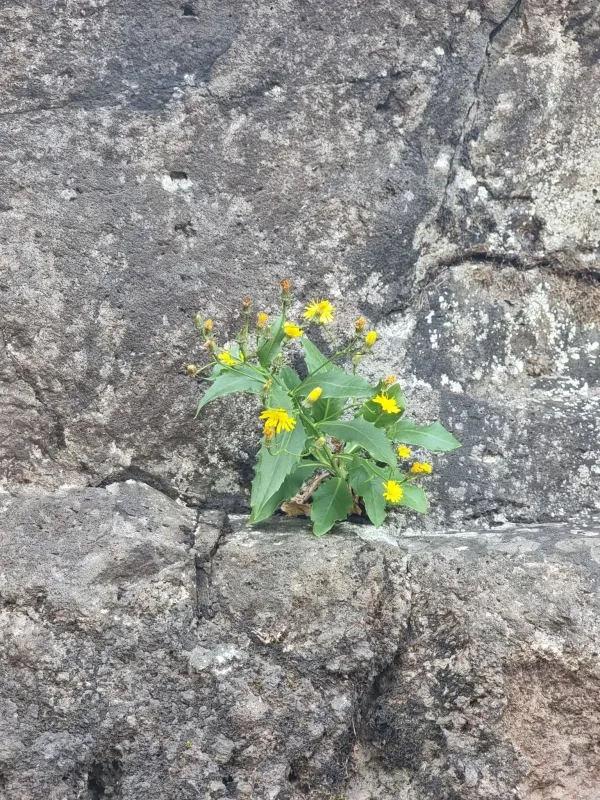
Description
Growing requirements
Tolpis macrorhiza is a perennial flowering plant belonging to the Asteraceae family. It is an endemic species native to the Canary Islands, where it thrives in rocky, high-altitude terrain and specialized ecological niches.
Regarding soil requirements, the plant demands well-drained, porous substrates. In a managed environment, it is crucial to provide a mix that mimics its volcanic rocky origins, ensuring high oxygen availability for the root system to prevent hypoxia.
The climate requirements revolve around stable, temperate conditions. While the plant is drought-adapted, it requires strategic watering during the active vegetative season. Excessive humidity, particularly in the leaf axils, should be avoided to ensure the health of the rosette.
Botanically, Tolpis macrorhiza is characterized by its significant, thickened rootstock, which serves as a vital nutrient storage organ. The leaves are typically arranged in a dense basal rosette, which is an evolutionary adaptation for minimizing water loss in windy, sun-exposed habitats.
The host usage of this plant is primarily focused on botanical research and conservation. It serves as a model organism for understanding the survival mechanisms of island flora, and its potential for specialized ornamental landscaping is currently being explored.
Main diseases and pests
The main threats to the health of this species are fungal pathogens, specifically those causing root rot. These organisms flourish when soil moisture remains high for extended periods, making proper drainage the most critical factor in successful cultivation.
Pest pressures are often linked to indoor or greenhouse cultivation, with aphids being the primary concern. These insects colonize the flower buds, hindering reproductive success. Integrated pest management, focusing on biological controls, is highly recommended.