
Tolpis succulenta
Tolpis succulenta
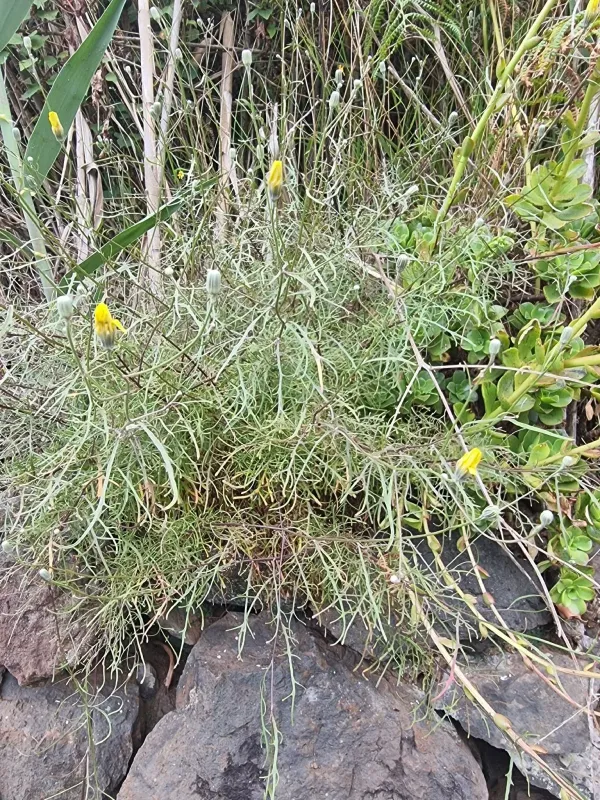
Description
Sowing dates
Tolpis succulenta is a distinct species belonging to the Asteraceae family, primarily native to the rocky landscapes of the Azores archipelago.
Propagation is typically carried out through seeds, which require specific conditions to germinate successfully in a controlled environment.
Sowing should take place in early spring, ensuring that the seeds are placed on the surface of a light, well-draining mineral-rich substrate.
Light is a critical factor for germination; therefore, the containers must be kept in a bright location without direct scorching sunlight.
Once seedlings emerge, they should be monitored closely and eventually transplanted into individual pots once they reach a sturdy stage of growth.
Growing requirements
This species thrives in conditions that mimic its wild habitat, specifically requiring excellent soil drainage and a moderate climate.
Soil composition should lean towards sandy or gravelly textures, as heavy, water-retentive soils are detrimental to its succulent nature.
The plant demonstrates high light requirements, making it ideal for south-facing windows or greenhouses where intense light is available.
Watering frequency should be reduced significantly during the winter dormancy period to prevent the roots from rotting in cold, wet soil.
Temperature control is essential, as the species is adapted to the mild, stable maritime climate of its native Azores islands.
Main diseases and pests
Root rot remains the primary threat to Tolpis succulenta, almost always resulting from over-irrigation or inadequate drainage systems.
Mealybugs are the most common pests found on this plant, congregating in the crevices between leaves and stems to feed on plant sap.
Low air circulation can promote fungal diseases, which often manifest as dark spots on the foliage and can lead to rapid plant decline.
Spider mites may occasionally infest the foliage if the surrounding air becomes too dry, necessitating regular monitoring of the leaf surfaces.
Maintaining a clean, well-ventilated growing area is the most effective cultural practice for preventing these common biological threats.