
Tolpis barbata
Tolpis barbata
Description
Sowing dates
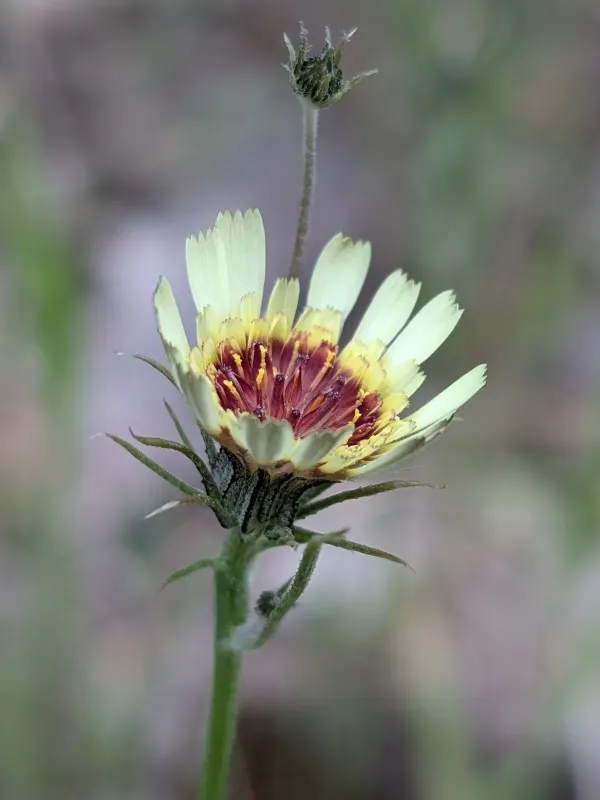
Tolpis barbata is a charming annual herbaceous plant belonging to the Asteraceae family. Often referred to as "yellow hawkweed," it is prized for its attractive, daisy-like flowers with distinct dark centers.
Sowing should be done in early spring as soon as the danger of frost has passed. Seeds can be broadcast directly into the flower bed, as the plant establishes well in prepared garden soil.
For earlier blooms, seedlings can be started indoors in trays during late winter or early spring. Transplanting should occur only when the soil has warmed up and stable temperatures are expected.
The seeds are small and require a shallow sowing depth. A light covering of soil or just pressing the seeds into the surface is sufficient for germination, which usually takes two to three weeks.
Proper spacing is essential to ensure healthy growth. Providing 20 to 30 cm between plants helps prevent overcrowding and encourages the plant to branch out, resulting in a more prolific display of flowers.
Growing requirements
This species thrives in full sun, which is crucial for healthy flower production and strong stems. In partial shade, the plant tends to become leggy and produces fewer blooms.
Well-drained soil is a primary requirement for the successful cultivation of Tolpis barbata. It prefers sandy or loamy soils that do not hold excessive moisture, as waterlogging is detrimental to its roots.
While the plant is somewhat drought-tolerant once established, supplemental watering during prolonged heat waves will maintain its vitality and extend the flowering period throughout the summer.
It performs well in neutral or slightly acidic soil. Fertilization is generally not required unless the soil is exceptionally poor, as excess nitrogen often results in excessive foliage at the expense of flowers.
Regular maintenance involves keeping the site free of weeds, especially during the early stages of growth, to ensure the plant has enough resources to develop its complex root system.
Main diseases and pests
The plant is relatively resistant to major pests, but as with many garden annuals, it can occasionally be affected by aphids during dry spells, which may require gentle monitoring or mild treatment.
Fungal diseases, such as powdery mildew, may occur if there is poor air circulation or excessive humidity combined with high temperatures, necessitating proper spacing between individual plants.
Root rot is the most common threat associated with poor drainage or overwatering. Preventing water accumulation around the base of the plant is the most effective way to avoid this issue.
Slugs and snails can sometimes target young seedlings in early spring, so protective measures might be needed in areas where these pests are prevalent during the germination phase.
General hygiene, such as removing debris and ensuring the planting site is well-ventilated, significantly reduces the likelihood of these common horticultural threats.
Harvesting
Tolpis barbata is primarily used as an ornamental plant in borders, rock gardens, and wildflower meadows. Its delicate structure makes it an excellent choice for naturalistic garden styles.
Deadheading faded flowers throughout the season is highly recommended. This practice not only keeps the plant tidy but also redirects energy into producing new buds rather than setting seed.
If you intend to save seeds for the following year, allow some of the best flowers to fully mature and dry on the stem until the heads turn brown and begin to release seeds.
Seed harvesting should be performed on a dry, sunny day to prevent dampness, which can cause seeds to rot during storage. Store the cleaned seeds in a cool, dark, and dry environment.
In cut flower arrangements, Tolpis barbata adds a soft, airy touch. To maximize vase life, harvest stems in the morning and place them immediately into clean water.