
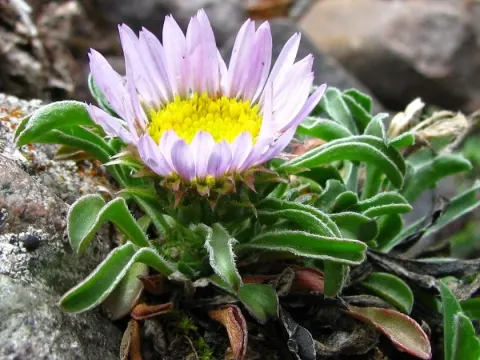
Townsendia
Townsendia
Sowing Townsendia seeds is most successful when done in late autumn, allowing the natural winter cycle to provide the necessary stratification. This process breaks seed dormancy and ensures uniform germination in the spring.
What the section contains


Townsendia
For indoor propagation, seeds should be sown in a well-draining grit-based medium early in the season. Proper light exposure is essential, as the seeds require surface sowing or very shallow coverage to trigger development.
Humidity levels during the germination phase must be kept moderate. Over-watering at this stage often leads to damping-off, a common fungal issue that can destroy an entire batch of seedlings within days.
Once seedlings have developed their true leaves, they should be carefully pricked out into individual small pots. The root system is delicate, so minimal disturbance is crucial for the survival of the young plants.
Acclimatization before planting out into the rock garden is vital. Expose the young plants to outdoor conditions gradually over several days to harden them off before the final transplanting stage.
Townsendia is a genus belonging to the Asteraceae family, native to high-altitude areas of North America. These plants are uniquely adapted to harsh, mountainous environments characterized by rocky terrain.
The primary requirement for successful cultivation is excellent drainage. The soil must be poor, gritty, and alkaline, mimicking the conditions of their native habitat. Fertile or water-retentive soils will inevitably lead to plant decay.
These plants require full sun to thrive and maintain their compact, rosette-forming habit. Any form of shading or competition from faster-growing perennials will result in poor health and reduced flowering.
While they are drought-tolerant once established, they need a consistent but light watering regime during the active growth period. The crown of the plant must remain dry to prevent rot, especially during wet autumn months.
Temperature resilience is high, as the species evolved to handle extreme diurnal fluctuations. However, excessive winter moisture combined with freezing temperatures can cause frost heave, so a grit mulch is recommended.
Root rot is the single most significant threat to Townsendia populations. This condition is almost always caused by poor soil drainage or excessive ambient humidity in the surrounding root zone.
Powdery mildew can infect leaves during humid or stagnant weather. Preventive measures include ensuring good airflow and avoiding overhead irrigation, which keeps the leaf surfaces wet for too long.
Soil-dwelling insects, such as wireworms, can sever the primary taproot. Monitoring the health of the plants is essential, as sudden wilting in otherwise good conditions often indicates root-level pest activity.
Nematode infestations may occur, causing stunted growth and poor color. Because these are difficult to treat, sanitation and the selection of clean, pathogen-free planting sites are the most effective management strategies.
Garden slugs and snails can feed on the tender young foliage of the plants. Using coarse, sharp grit or crushed shells around the base of the plant provides an effective mechanical barrier against these pests.