
Tolpis staticifolia
Tolpis staticifolia
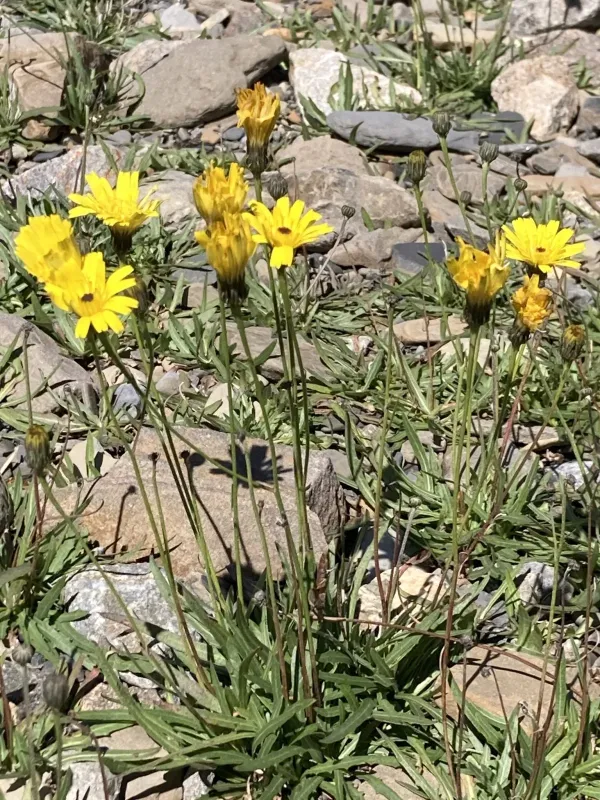
Description
Growing requirements
Tolpis staticifolia is a herbaceous perennial plant belonging to the Asteraceae family. This species is recognized for its unique botanical profile and its ability to thrive in harsh, rocky environments typical of its native European mountain ranges.
The plant has adapted to well-drained, nutrient-poor substrates, reflecting its evolutionary origin in limestone-rich habitats. As a crop in specialized gardening, it is appreciated for its resilience and ability to withstand periods of limited water availability.
Optimal growth requires full sun exposure, which ensures the plant maintains its structural integrity and promotes abundant flowering. Partial shade often leads to etiolation, reducing the plant's overall aesthetic and physiological health.
Soil conditions must prioritize aeration and drainage. Heavy clay soils are unsuitable, as they retain moisture that promotes root rot. Instead, rocky or sandy mixtures with a neutral to slightly alkaline pH are highly recommended for successful cultivation.
The primary use of Tolpis staticifolia is within xeriscaping and rock gardens, where its low-maintenance nature is an advantage. It serves as a valuable model for studying adaptation to high-altitude and nutrient-deficient environments.
Main diseases and pests
The primary threat to the health of Tolpis staticifolia is the presence of fungal pathogens caused by excessive humidity. Poor ventilation and saturated soil are the most common precursors to root-related diseases in this species.
Slugs and snails represent the main biological threat, particularly to young foliage. Implementing preventive measures such as gravel mulching can effectively deter these pests from reaching the plant tissues during wet weather.
Aphids may occasionally infest the flower buds during periods of high nitrogen availability or drought stress. Integrated pest management, focusing on early detection and biological control, is sufficient to manage such populations.
Root rot is the most serious disease risk, often resulting from poorly draining soil. Ensuring proper soil preparation prior to planting is the single most effective way to prevent the onset of this devastating condition.
Consistent monitoring and maintaining adequate spacing between plants are essential practices. By following these agronomic guidelines, growers can ensure the long-term health and stability of their Tolpis staticifolia plantings.