
Tolpis azorica
Tolpis azorica
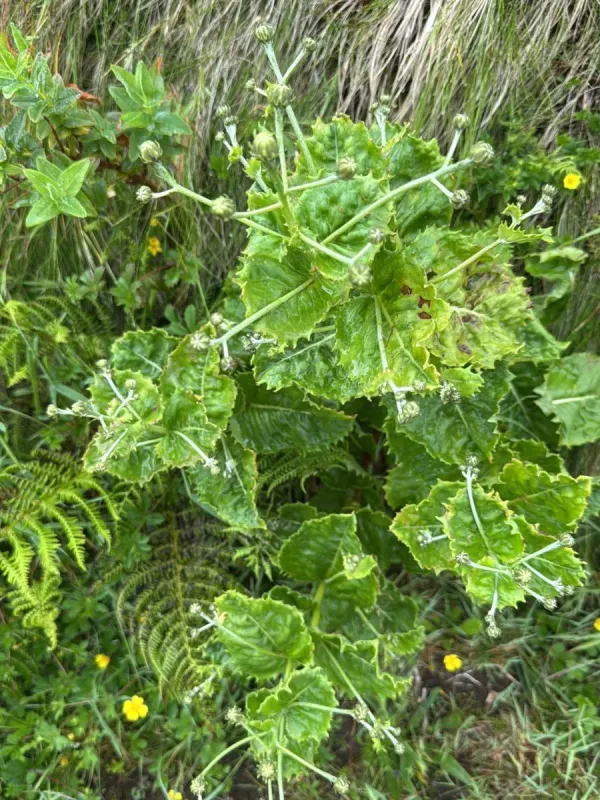
Description
Growing requirements
Tolpis azorica is an herbaceous plant that belongs to the Asteraceae family. Being an endemic species native to the Azores, it has very specific ecological requirements that must be met for successful cultivation in greenhouses or controlled garden environments.
The climate of its native origin suggests that the plant thrives in humid, mild, and stable conditions. It is not cold-hardy, meaning that in most agricultural zones, it must be grown as a protected crop to avoid thermal shock and freezing temperatures.
Soil requirements for Tolpis azorica are focused on high permeability and excellent drainage. A loose, nutrient-rich substrate with a neutral pH is ideal for ensuring the health of the root system and preventing the development of anaerobic conditions.
Regarding light, the species prefers bright but indirect sunlight. Intense, direct solar radiation can damage the foliage, while insufficient light leads to spindly growth and a decrease in the flowering capacity of the plant.
Management of water is crucial; the plant requires consistent moisture levels but is highly sensitive to waterlogging. Fertilization should be balanced, providing necessary micronutrients without an excess of nitrogen, which could make the plant vulnerable to pathogens.
Main diseases and pests
Fungal diseases constitute the primary threat to Tolpis azorica, particularly in environments with high humidity and poor ventilation. Botrytis and powdery mildew are among the most common issues reported in greenhouse settings.
Insect pests, specifically aphids and spider mites, represent a consistent danger. These pests thrive in indoor conditions, feeding on the plant's sap and potentially acting as vectors for viral infections that can compromise the plant's structural integrity.
Integrated pest management strategies are recommended, focusing on early detection and the use of biological controls where possible. Keeping the foliage dry is a simple yet effective practice to prevent the germination of fungal spores.
If chemical interventions are necessary, fungicides should be applied preventively or at the very first signs of symptoms. It is vital to select products that are safe for the plant species to avoid phytotoxic damage to the leaves.
Finally, maintaining optimal plant spacing ensures sufficient airflow, which significantly reduces the humidity trapped around the foliage and minimizes the risk of sudden fungal outbreaks during the peak growing season.