
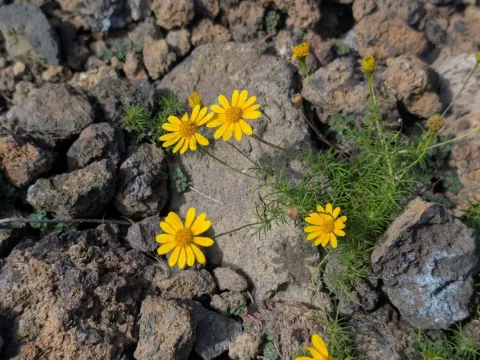
Thymophylla
Thymophylla
Seeds of Thymophylla are typically sown outdoors in mid-spring, ensuring that the soil temperature is consistently above 15 degrees Celsius for optimal germination.
What the section contains


Thymophylla
For gardeners looking for earlier results, starting seeds indoors in flats about six to eight weeks before the last expected frost date is highly recommended.
The seeds require light to germinate, so they should be surface-sown on a well-draining seed starting mix and pressed gently without being deeply covered.
Thinning the seedlings is necessary if they are sown too densely in the garden bed to prevent competition for resources and to promote stronger root development.
Maintenance of moderate soil moisture is crucial during the germination phase, although once the plants are established, they become significantly more drought-tolerant.
Belonging to the Asteraceae family, Thymophylla thrives in full sun exposure, which is essential for maintaining its compact habit and prolific flowering.
It prefers dry, well-draining soil types, often performing exceptionally well in sandy or rocky soils that do not retain excess water for long periods.
Climatically, the plant is suited for regions with warm growing seasons and is sensitive to heavy, prolonged cold or damp weather conditions.
Fertilizer requirements are minimal; in fact, over-fertilizing can lead to excessive foliage growth and a significant reduction in the quantity of blooms produced.
The plant demonstrates high adaptability to heat, making it an excellent candidate for xeriscaping or low-water ornamental landscaping projects.
Root rot is the most common threat to Thymophylla, typically occurring in poorly draining soils or areas prone to waterlogging after heavy rainfall.
Aphids can sometimes become a localized pest, particularly on young, tender shoots, necessitating early detection and simple interventions.
Powdery mildew may develop if the plants are placed in stagnant air environments, emphasizing the importance of proper spacing to encourage airflow.
Managing the weed population around the base of the plants is essential, as the species does not compete well with vigorous, fast-growing weeds.
Providing optimal growing conditions is the best form of pest management, as healthy plants are naturally more resilient to environmental and biotic stressors.