
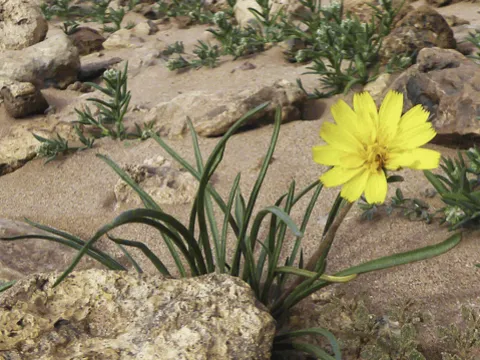
Tourneuxia
Tourneuxia
Sowing Tourneuxia requires careful attention to soil temperature, as seeds are sensitive to thermal fluctuations during the early stages of development.
What the section contains

Tourneuxia
The optimal planting time is early spring, once the soil has warmed to at least 8–10 degrees Celsius, which ensures uniform and reliable germination.
A wide-row sowing method is highly recommended to facilitate efficient mechanical weed control and maintenance between rows throughout the growing season.
The depth of seed placement should not exceed 2–3 centimeters, as deep burial can significantly hinder the emergence of the delicate plant sprouts.
Field preparation involves thorough tillage to create a fine-textured soil surface, providing a perfect environment for root system establishment.
Tourneuxia belongs to the Asteraceae family and exhibits specific botanical traits adapted to its native climate and environmental conditions.
The crop thrives in well-lit areas, as adequate sunlight exposure is critical for maximizing photosynthesis and overall vegetative biomass production.
The best growth performance is observed in light sandy loam or loamy soils that maintain a neutral or slightly alkaline pH balance.
While the plant shows moderate drought tolerance, supplementary irrigation is essential during peak growth phases to ensure consistent vitality.
Proper nutrient management, including the balanced application of nitrogen-based fertilizers, is required to support vigorous growth and yield quality.
The primary threats to Tourneuxia crops are fungal diseases that proliferate in conditions of high humidity and poor aeration within the canopy.
Powdery mildew commonly affects the foliage, causing a white fungal mat that diminishes photosynthetic activity and overall plant health.
Root rot becomes a significant issue in poorly drained soils or areas prone to waterlogging, leading to stunted growth and potential plant loss.
Insect pests, including various aphids and beetles, can cause substantial economic damage by feeding on young leaves and weakening the plant's structure.
Effective management includes implementing a strict crop rotation schedule and using targeted fungicides as a preventive measure against common outbreaks.