
Tolpis capensis
Tolpis capensis
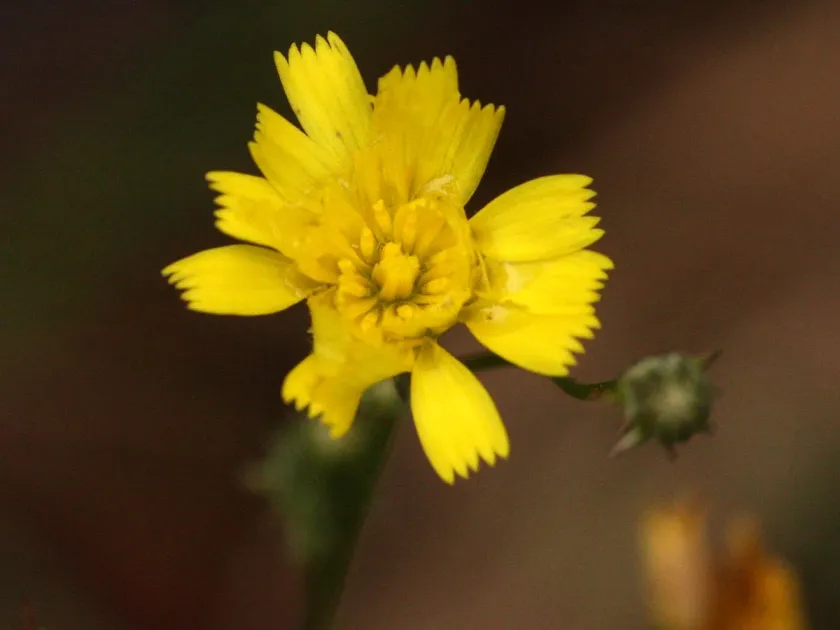
Description
Sowing dates
Sowing of Tolpis capensis should be carried out in the spring period when the soil warms up to a temperature of 10–12 degrees Celsius. The optimal time is mid-spring, which allows the plant to effectively utilize moisture after snowmelt for root system development.
For high-quality seed germination, surface sowing at a depth of no more than 1–2 centimeters is required. The crop shows good germination energy provided that the upper soil horizon is sufficiently moist immediately after sowing.
The planting pattern should account for the need to form a full leaf rosette in the first vegetation period. Row planting with spacing of about 30–45 centimeters is usually practiced to ensure an optimal nutritional area.
An important condition is the absence of early spring frosts during the emergence period. Despite relative resistance, young seedlings are sensitive to extremely low soil temperatures.
The seed rate is calculated based on germination indices and laboratory purity of the batch. It is recommended to use calibrated seed material to obtain uniform and even germination across the entire field area.
Growing requirements
Tolpis capensis belongs to the Asteraceae family and is valued for its adaptability to moderately arid growing conditions. The plant prefers well-lit areas, as shading negatively affects growth rates and biomass accumulation.
The crop has moderate soil requirements, but it develops best in light loams or sandy soils with good aeration. The optimal soil pH level should be in the slightly acidic or neutral range.
The plant possesses high drought resistance due to the architecture of its root system, capable of effectively extracting water from deep soil layers. Nevertheless, moderate irrigation is necessary for maximum productivity during the growing season.
The crop is thermophilic, so the best yields are achieved in regions with long daylight hours and stable summer temperatures. In conditions of excessive soil waterlogging, the plant may be susceptible to fungal diseases.
The application of mineral fertilizers, especially phosphorus-potassium, positively influences the development of reproductive organs. Nitrogen fertilization should be used in moderation to avoid excessive vegetative growth at the expense of crop quality.
Yield
The yield of Tolpis capensis depends on the level of agronomic management, light intensity, and moisture availability during critical development phases. On average, the crop shows stable results when planting density is maintained.
The primary economic value lies in the above-ground biomass of the plant, which accumulates nutrients during the growing season. Maximum green mass yield is observed in the phase of active flowering, when the plant is most developed.
Under intensive cultivation using modern soil management methods, high yields of dry matter per unit area can be achieved. It is important to consider that yield indicators may vary depending on the specific cultivar and regional climatic conditions.
Timely weed control during the early growth period is a determining factor for preserving potential yield. Competition with weeds in the initial stages can significantly reduce the final product output.
Regular monitoring of crop status allows for the adjustment of agronomic activities, which directly affects the total weight of the harvested crop. Optimal management of growth factors allows achieving planned productivity targets for the crop.
Main diseases and pests
The main threats to Tolpis capensis plantings are specific root rots that occur when soil drainage is disturbed. Excessive moisture promotes the proliferation of pathogenic fungi that can completely destroy young seedlings.
Among pests, the greatest danger is posed by insects that damage the leaf apparatus of the plant. Regular field inspections allow for the timely detection of infestation hotspots and the application of biological or chemical protective agents.
Powdery mildew can affect plants during periods of high humidity and poor air circulation between rows. To prevent this disease, it is recommended to strictly adhere to plant density and fertilizer application rates.
Aphids and other sap-sucking pests can cause indirect harm by acting as vectors for viral diseases, which significantly reduce the vitality of the crop. Prophylactic field treatment with modern preparations is an important part of the protection system.
Agronomic methods such as crop rotation and maintaining spatial isolation play a key role in minimizing the risk of spreading typical diseases. It is important to maintain a high level of phytosanitary status of the site at all stages of vegetation.
Harvesting
The harvest of Tolpis capensis is carried out at strictly defined times, which depend on the intended use of the raw material. The optimal harvest time arrives when plants reach the peak of nutrient accumulation, which usually coincides with the period of mass flowering.
Mechanized harvesting requires the use of specialized mowers adjusted to a specific cutting height to minimize losses. The cut mass should immediately undergo primary processing or drying to preserve quality.
In the case of cultivation for seeds, harvesting is conducted when the seed capsules reach full maturity to avoid premature shattering. It is important to control the humidity of the pile during harvesting operations to prevent the spoilage of the collected raw material.
Post-harvest processing includes cleaning and drying the mass in well-ventilated rooms or on threshing floors. Proper adherence to the drying regime allows for long-term storage of products without loss of nutritional and economic qualities.
Transportation of the harvested material requires careful handling to avoid mechanical damage and fragmentation of plant parts. Product storage is organized in accordance with national standards for this type of agricultural raw material.