
Pseudognaphalium gaudichaudianum
Pseudognaphalium gaudichaudianum
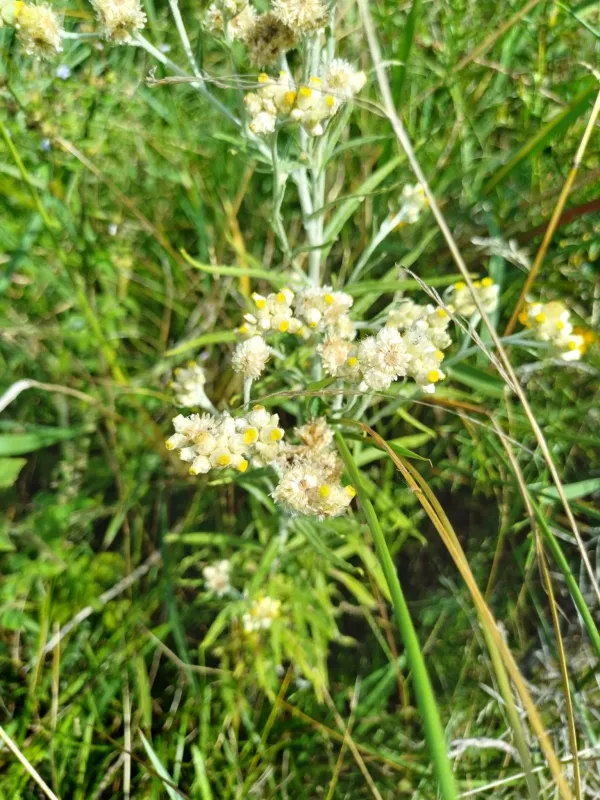
Description
Sowing dates
Sowing of Pseudognaphalium gaudichaudianum should ideally occur in early spring once soil temperatures have consistently risen. Late March to mid-April is usually considered the prime window for establishing a new crop.
The seeds are relatively small and sensitive to depth; therefore, surface sowing or a very shallow cover is required. Germination is significantly enhanced by providing access to light throughout the initial growth phase.
Spacing should be carefully managed to ensure each plant receives adequate airflow. Rows spaced at least 30-40 centimeters apart allow for easier weeding and mechanical maintenance throughout the growing season.
For greenhouse-raised seedlings, sowing in early spring allows for hardening off and transplantation into the field once the threat of frost has passed. This technique ensures a robust establishment before the peak of summer.
Proper seedbed preparation is essential, as the soil must be fine-textured to ensure good seed-to-soil contact. Moistening the bed prior to sowing helps prevent the seeds from being washed away during initial irrigation.
Growing requirements
Pseudognaphalium gaudichaudianum belongs to the Asteraceae family and is native to the diverse landscapes of South America. It thrives in conditions that mimic its natural mountainous or open scrubland environment.
The plant requires well-drained, sandy, or gritty soils to prevent root rot. It is not suited for heavy clay soils that retain water for extended periods, as these conditions are detrimental to its health.
High levels of solar radiation are crucial for this species. Full sun exposure is necessary to support the plant's metabolic processes and to ensure the proper concentration of its aromatic compounds.
Watering should be balanced, focusing on maintaining moderate soil moisture without causing saturation. Being an adaptable plant, it can withstand short periods of drought better than constant waterlogging.
Fertilization should be kept to a minimum. The plant is adapted to nutrient-poor soils, and excessive nitrogen can result in weak, succulent growth that is more prone to diseases and insect attacks.
Yield
Yield productivity for this crop is primarily determined by solar exposure and effective weed control measures. When grown under optimal conditions, a good yield of dry aerial biomass can be achieved.
The timing of harvest is critical for yield quality. Harvesting should occur during the full bloom stage to maximize the concentration of bioactive components, which are essential for commercial use.
While the plant can exhibit regrowth, the majority of the annual yield is typically harvested in a single main operation. Managing the plant density per hectare is key to achieving consistent harvest results.
Effective weed management early in the season prevents competition for sunlight and nutrients, ensuring that the maximum energy of the plant is dedicated to leaf and flower development.
Overall yields depend on the selection of a site with minimal competition from aggressive grasses. Maintaining an open, clean field is essential for maximizing the quantity of harvestable material.
Main diseases and pests
The most significant threats to Pseudognaphalium gaudichaudianum are root pathogens, such as Pythium species, which proliferate in poorly drained soils. Preventing soil saturation is the primary defense.
Pests like aphids and spider mites can occasionally affect the crop during periods of prolonged drought. Monitoring the undersides of leaves during hot, dry weather can help in early detection and control.
Invasive weeds represent a significant competitor for resources. Without diligent cultivation, weeds can easily overwhelm the young plants, leading to a substantial decrease in crop vigor and biomass.
Poor air circulation within the field can lead to fungal issues, particularly during humid seasons. Ensuring proper spacing between plants is a key cultural practice to mitigate these risks.
Biological control agents should be favored over chemical pesticides to preserve the medicinal quality of the raw material. Targeted, non-persistent interventions are preferred in modern organic-focused systems.
Harvesting
Harvesting should always be conducted during dry, sunny weather. This prevents moisture-induced degradation and ensures that the material dries efficiently without developing mold.
The aerial parts are harvested by cutting them several centimeters above the ground level. This prevents the inclusion of soil and root matter, ensuring a cleaner final product for processing.
Immediately after harvesting, the biomass should be spread out in a well-ventilated, shaded area. Avoiding direct sunlight is crucial, as UV rays can cause the rapid degradation of essential oils and pigments.
Drying racks should be used to provide optimal airflow around the plant material. The temperature should be carefully monitored to stay within the range that preserves the plant's structural and chemical integrity.
Once dried to the correct moisture content, the crop should be stored in breathable containers to maintain quality. Proper storage conditions allow the harvest to remain stable for extended periods prior to use.