
Pseudognaphalium hypoleucum
Pseudognaphalium hypoleucum
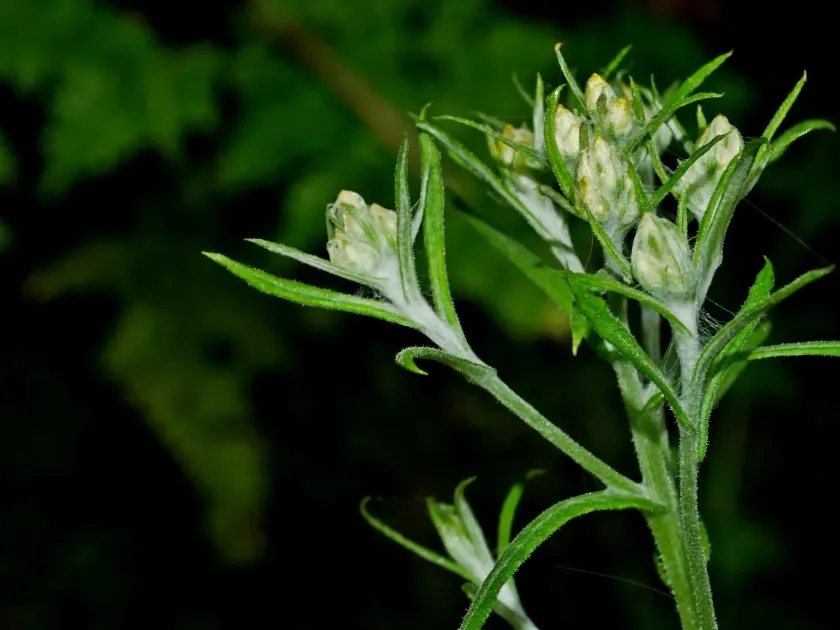
Description
Sowing dates
The sowing of Pseudognaphalium hypoleucum is typically conducted in the spring season when soil temperatures stabilize between 15 and 18 degrees Celsius. Using a well-draining, light, and neutral substrate is essential for obtaining high-quality seedlings.
In commercial cultivation, a row-based sowing method is employed with spacing of approximately 45 centimeters between rows. This ensures adequate space for each plant and facilitates mechanical maintenance and weed control.
Since the seeds are light-sensitive for germination, they should be sown on the surface and barely covered with a fine layer of sand or substrate. Over-deepening the seeds significantly reduces germination rates.
Seedlings usually emerge within two weeks, provided the moisture levels remain consistent. Protecting the young plants from direct, intense sunlight and moisture stress during the first weeks is crucial for their development.
Thinning is performed once the plants develop three true leaves. A spacing of 20–25 centimeters within the rows is considered optimal to allow for robust branching and healthy root system formation.
Growing requirements
Pseudognaphalium hypoleucum, a member of the Asteraceae family, is a sun-loving species that thrives in open areas. Shade exposure significantly negatively affects the plant's essential oil concentration and overall vigor.
The plant prefers sandy or loamy soils with low organic matter content. Soils that retain excessive moisture or have heavy clay textures are prone to root rot and should be avoided or heavily amended before planting.
Although the species has moderate drought tolerance, regular irrigation is required during the peak growth phase. Excessive moisture, especially during the flowering period, can dilute the plant's medicinal properties.
An ideal temperature range for active vegetation is between 20 and 25 degrees Celsius. The plants should be monitored during extreme temperature shifts, as the young growth is sensitive to sudden cold snaps.
Fertilization should be managed carefully with emphasis on phosphorus and potassium. Excess nitrogen intake triggers vegetative growth that diminishes the quality and efficacy of the plant's chemical profile.
Yield
The yield of Pseudognaphalium hypoleucum is highly dependent on agricultural management and timing. Under optimal conditions, growers can expect an average yield of 8 to 12 centners of dry matter per hectare.
Yield productivity peaks during the second year of cultivation once the root system is fully established. This year provides the highest number of flowering shoots, which are the main targets for harvesting.
The number of harvests per season is a strategic decision. While multiple cuts can increase total biomass, a single targeted harvest at peak blooming usually ensures the highest concentration of phytochemicals.
Post-harvest technology is critical for yield quality. Utilizing professional drying facilities that ensure consistent airflow helps preserve the chemical integrity of the harvested material.
Economic efficiency is improved by focusing on precision farming, where moisture monitoring and targeted nutrient application allow for a higher output per unit of land used for production.
Main diseases and pests
The primary threats to this culture are fungal diseases, such as powdery mildew, which thrive in high-humidity conditions and poor air circulation. These infections can quickly devastate a dense planting.
Common pests like aphids and spider mites can be detrimental, especially in hot and dry weather. Implementing integrated pest management (IPM) techniques is safer than using harsh chemicals on herbal crops.
- Practice crop rotation to prevent soil-borne pathogen buildup.
- Maintain weed-free rows to ensure proper airflow and light penetration.
- Use biological control agents to manage aphid and mite populations.
- Monitor soil moisture to prevent waterlogging and subsequent root issues.
- Promptly remove and destroy infected plant debris to mitigate disease spread.
Strict quarantine measures on new plant material are essential to keep production sites free from persistent viral and fungal diseases that could affect overall plant health.
Harvesting
Harvesting is performed during the mass blooming stage, as this is when the concentration of beneficial compounds in the flower heads and stems is at its maximum level.
The harvest is carried out by hand or using mechanical cutters at a height of 5–10 centimeters above the soil surface, ensuring that the remaining stubble can regenerate for future seasons.
Once cut, the plant material must be transported to the drying area immediately. Allowing cut herbs to sit in large, dense piles causes heat buildup and rapid degradation of quality.
The drying process takes place in shaded, well-ventilated rooms with temperatures capped at 40 degrees Celsius. Excessive heat or direct sunlight destroys the heat-sensitive aromatic compounds.
Storage requires a cool, dry, and dark environment to maintain quality. The final packaging should allow for natural gas exchange while protecting the dried herb from moisture and contamination.