
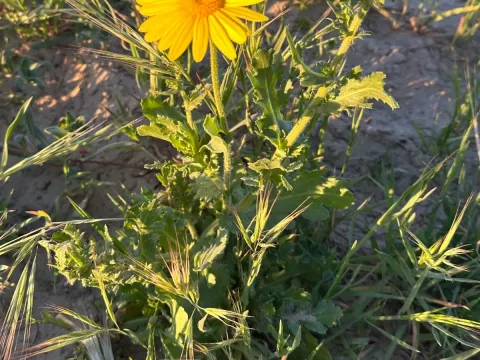
Heteranthemis
Heteranthemis
The sowing of Heteranthemis typically takes place in early spring once soil temperatures have consistently reached 10–12°C. Seeds are sown at a shallow depth of 1–2 centimeters to ensure successful germination and emergence.
What the section contains

Heteranthemis
For more uniform development, growers often utilize transplanting methods. Starting seeds in greenhouse trays during March allows for better protection against adverse spring weather and ensures a strong seedling stand.
When sowing directly into the field, plant spacing is critical for success. Maintaining a distance of 20–30 centimeters between individual plants encourages airflow and reduces the likelihood of humidity-related disease outbreaks.
Transplanting should only occur after the risk of frost has passed. Hardening off the seedlings for a week prior to field planting significantly improves their stress tolerance and overall establishment rate.
Seedbed preparation is vital; the soil should be fine-tilled to ensure good contact between the seed and the soil particles. Adequate moisture at the time of sowing is necessary to trigger the germination process.
Heteranthemis is a member of the Asteraceae family, well-adapted to environments with plenty of direct sunlight. Providing sufficient solar exposure is essential for the plant to achieve its full growth potential and blooming capacity.
Well-drained, loose soil is the preferred medium for this crop. The plant performs poorly in heavy clay soils that retain excess moisture, which often leads to poor oxygenation of the root zone and potential mortality.
The ideal soil pH for Heteranthemis is neutral to slightly alkaline. If the soil is too acidic, amending the field with lime or wood ash can help create the optimal growing environment for this species.
Irrigation management is key to maintaining plant health. While Heteranthemis has moderate drought tolerance, regular watering during the bud formation phase significantly increases the quality and number of flower heads.
Nutrient requirements are moderate, but consistent access to potassium and phosphorus during the vegetative stage helps in developing strong stems and high-quality floral displays.
Powdery mildew represents one of the most common fungal threats to Heteranthemis, especially in regions with high humidity. Proper crop spacing and ventilation are the primary preventive measures against this pathogen.
Aphids and spider mites are the most frequent insect pests. These pests extract sap from the plant, causing stunted growth and yellowing leaves. Scouting for these insects in the early stages of infestation is highly recommended.
Root rots caused by soil-borne pathogens are a significant threat when soil drainage is poor or when crop rotation protocols are neglected. Rotating fields every two years is a best practice to avoid pathogen buildup.
In addition to chemical control, encouraging beneficial insects in the field can help maintain pest populations at manageable levels. This approach is essential for sustainable and environmentally conscious production.
General field sanitation is another crucial aspect of management. Removing and destroying heavily infected plants promptly prevents the spread of diseases and pests to the rest of the cultivated area.