
Heterocondylus
Heterocondylus
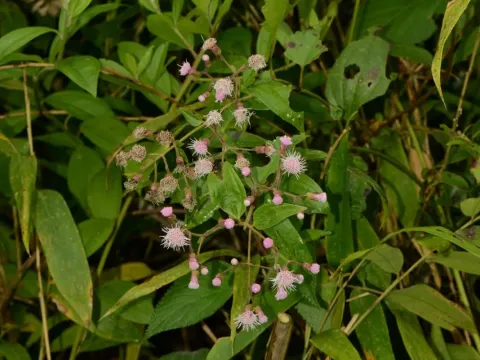
The genus Heterocondylus belongs to the diverse Asteraceae family. These plants are typically perennial herbs or subshrubs, naturally occurring in the tropical and subtropical regions of South America.
What the section contains
Heterocondylus
For successful development, this plant requires a stable temperature environment, avoiding extreme cold or sudden frosts. The plant prefers well-lit areas, although it can tolerate partial shading, which mimics its natural habitat conditions.
Soil requirements for Heterocondylus include well-drained substrates with a balanced pH level. The plant is sensitive to waterlogging, necessitating proper drainage layers or the use of soil amendments to prevent root decay in heavy soils.
Agricultural management requires consistent and moderate irrigation during the active growth phase. Excess moisture, especially in cooler conditions, can lead to rot, making it essential to monitor soil moisture levels carefully throughout the season.
At present, the economic or horticultural use of this genus is largely focused on ornamental applications. Due to their unique floral structure, they are of particular interest to collectors and landscape designers in regions with suitable climates.
Common threats to the genus in cultivation include fungal diseases that flourish when irrigation patterns are mismanaged. Powdery mildew and various types of root rot are the most frequent issues encountered by growers.
Regarding pests, sap-sucking insects such as aphids and spider mites pose the most significant risk. These pests can proliferate rapidly in greenhouse environments, potentially causing extensive damage to the foliage and flower stems if not monitored.