
Helminthotheca comosa
Helminthotheca comosa
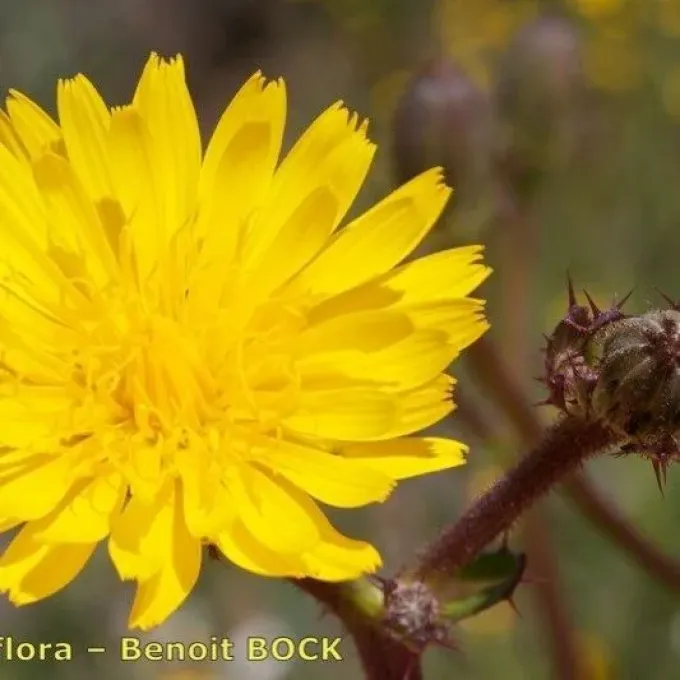
Description
Sowing dates
Helminthotheca comosa is a herbaceous plant belonging to the Asteraceae family. It is typically characterized by a rosette of basal leaves and a branched stem, demonstrating significant adaptability to various environments.
The optimal sowing time is during early spring once the soil temperature reaches approximately 12–15 degrees Celsius. This temperature range ensures uniform germination and supports the establishment of a robust root system.
Seeds should be sown at a shallow depth of about 1–2 centimeters. Proper seedbed preparation is essential to remove large clods and ensure uniform contact between the seed and the soil particles.
For regions with mild winters, autumn sowing is a viable option to leverage natural stratification, which often results in more vigorous spring growth and faster development of vegetative mass.
The plant demonstrates high reproductive potential. When cultivated for forage, moderate density is recommended to allow each plant sufficient space for leaf development while maintaining high total biomass per hectare.
Growing requirements
This species thrives in sunny, open environments. Light exposure is critical for maintaining high photosynthetic activity and promoting the development of dense, healthy foliage throughout the growing season.
Regarding soil preferences, it prefers well-drained, fertile soils with a neutral pH. It exhibits moderate tolerance to varied soil textures, ranging from sandy loams to heavier clay-based soils, provided there is no waterlogging.
Water requirements are balanced. The plant features a deep taproot that allows it to access soil moisture during moderate drought conditions, making it relatively resilient in changing climates.
Excessive salinity should be avoided as it negatively affects plant development and reduces the nutritional value of the biomass. Soil management practices should focus on maintaining adequate drainage.
It is sensitive to overcrowding. If grown in dense stands, the internal airflow is restricted, which can increase the humidity around the base of the plant and promote the development of various pathogens.
Main diseases and pests
Common diseases affecting this crop include powdery mildew and other fungal rusts. These pathogens are most prevalent during seasons with high atmospheric humidity and frequent rainfall events.
Pests such as aphids and leaf-eating beetles can cause significant damage to young plants. Early detection is key, as aphid colonies can quickly drain the plant's resources and lead to leaf yellowing.
Root rot is a major threat in fields with poor drainage or compacted soil. Prevention involves maintaining good soil structure and ensuring that water does not accumulate on the surface after irrigation or rainfall.
Competition from aggressive weed species can inhibit the growth of Helminthotheca comosa, particularly in the seedling phase. Mechanical weeding or careful site selection can mitigate this risk effectively.
Integrated pest management is recommended, emphasizing the use of biological controls and crop rotation rather than heavy reliance on chemical pesticides, which may not be cost-effective for this type of culture.
Harvesting
Harvesting for forage should be timed before the onset of full bloom. Harvesting at the late vegetative or early budding stage ensures the highest concentration of proteins and minerals in the plant biomass.
Seed harvesting requires close monitoring of the flower heads. Once the heads begin to turn brown and the seeds reach maturity, harvesting should be performed promptly to minimize losses due to natural seed dispersal.
The biomass can be harvested using standard mowing machinery. Drying the cut material in windrows before final collection helps reduce moisture content, which is crucial for safe long-term storage.
Proper cleaning of the harvested seed lot is necessary to remove impurities and chaff. After cleaning, seeds should be stored in a dry, cool, and well-ventilated location to maintain viability for future seasons.
In favorable conditions, the plant may regenerate if cut at the correct height, potentially allowing for multiple cuts in a single season, depending on the availability of soil moisture and nutrient levels.