
Bristly oxtongue
Helminthotheca echioides
Description
Growing requirements
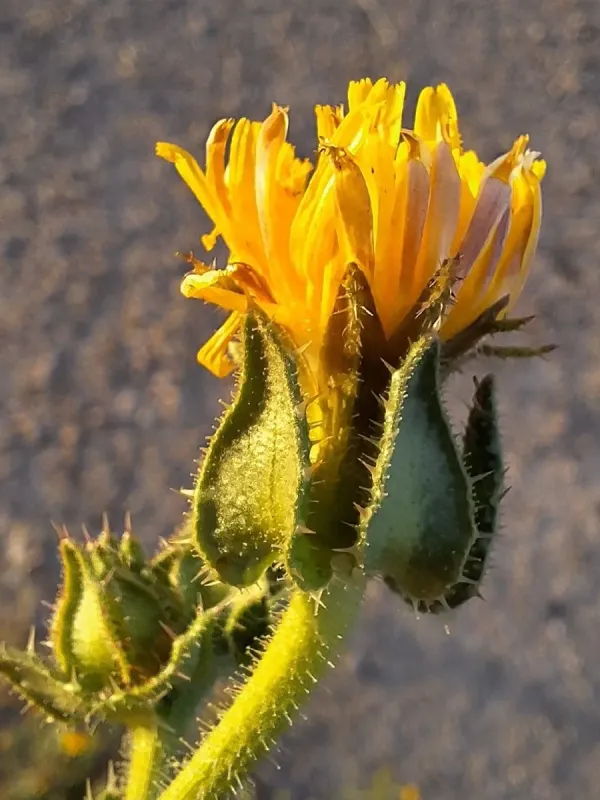
Bristly oxtongue (Helminthotheca echioides) is a plant species belonging to the Asteraceae family. It is widely recognized for its distinctive bristly texture, which covers its stems and foliage, providing a rough feel that gives the plant its common name. This species is native to the Mediterranean region but has successfully established itself globally.
Botanically, it functions as an annual or biennial herb. The leaves are typically lanceolate with serrated margins, arranged in a basal rosette during the early stages of growth before the flowering stem emerges. The plant produces small, yellow flower heads that resemble those of dandelions.
The plant thrives in varied environments, ranging from disturbed agricultural land and roadside verges to waste grounds. It shows a high tolerance for drought conditions and thrives in well-drained soils, often outcompeting native vegetation in nitrogen-rich areas due to its aggressive growth habit.
From an agronomic perspective, Bristly oxtongue is primarily managed as a weed. Its deep taproot and ability to produce thousands of seeds per season make it a difficult species to eradicate once it has established a foothold in crop fields, orchards, or vineyard margins.
While often regarded as a nuisance, in some regions, young leaves are collected for human consumption, often mixed in salads. Despite this minor culinary use, the plant remains a significant competitor in farming systems, necessitating proactive management strategies to protect primary crops.
Main diseases and pests
The plant is susceptible to several fungal diseases, including powdery mildew, which can significantly inhibit photosynthesis during warm, humid weather. Rust fungi are also commonly observed, affecting the overall health and vigor of the individual plants.
Insects frequently associated with this species include aphids, which colonize the stems and underside of leaves. These pests are a major concern not just for the damage they cause directly, but also as vectors for viruses that can affect nearby agricultural crops.
Several types of beetles and caterpillars also target the foliage, causing localized damage. While these insects may help regulate the population density of the weed, they are not considered a reliable means of biological control in an agricultural setting.
Effective management against these threats and the spread of the weed involves a combination of cultural practices. Maintaining competitive crop stands and employing regular mechanical weeding are the most sustainable methods to keep populations under control.
Chemical control remains difficult due to the physical characteristics of the plant's leaves. The dense covering of hooked bristles makes it hard for liquid herbicides to adhere and penetrate effectively, requiring the use of surfactants to ensure better uptake.