
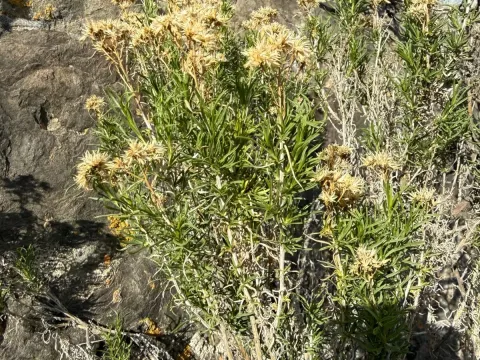
Chrysothamnus
Chrysothamnus
Chrysothamnus, commonly known as rabbitbrush, is a genus of perennial shrubs belonging to the Asteraceae family. These plants are native to the arid and semi-arid regions of North America, where they have evolved to thrive in harsh environments.
What the section contains


Chrysothamnus
The crop requires full sun exposure and performs best in well-drained, sandy, or rocky soils. It is highly resistant to drought and can tolerate poor soil nutrient profiles, making it suitable for marginal agricultural lands.
Temperature requirements include tolerance to a wide range of extremes. Chrysothamnus is known for its ability to withstand high summer heat and significant cold snaps during the winter months, characteristic of its native habitat.
Soil pH preference is generally neutral to slightly alkaline. The plant does not require intensive irrigation, as it is physiologically adapted to conserve water through specialized morphological structures like pubescent foliage.
Agricultural management is relatively simple compared to high-maintenance field crops. Initial establishment requires weed control to allow the seedlings to develop a deep, robust root system capable of accessing subsurface moisture.
Chrysothamnus is scientifically recognized for its high rubber and resin content found in its stems and leaves. Certain species represent a significant potential source of domestic rubber production.
Industrial use of the plant involves the extraction of hydrocarbons and latex, which can be processed for chemical and synthetic manufacturing. The harvesting of biomass is typically timed to match the plant's peak secondary metabolite accumulation.
The biomass is also evaluated for use in renewable energy production. Due to its rapid growth in dry conditions, it provides a stable source of feedstock for bioenergy applications in arid climates.
Productivity is measured by the total dry matter yield and the concentration of extractable latex per hectare. Proper planting spacing ensures maximum light interception and promotes uniform growth across the plantation.
Research into selecting superior germplasm continues to increase yields. Modern agronomy focuses on stabilizing these traits to ensure consistent quality for industrial supply chains.
Insect pests are the primary threat to Chrysothamnus crops. Larvae of certain lepidopteran species can cause significant defoliation and damage to floral buds during the active growing season.
Pathogenic fungi can pose a risk to the root system, particularly in poorly drained soils where stagnant water accumulates. Root rot is the most common condition leading to the decline of individual shrubs.
Powdery mildew may occur in regions with high humidity, affecting the aerial parts of the plant. Management involves keeping the foliage dry and ensuring adequate air circulation between plants.
Spider mites are another concern in arid conditions, as they can weaken the plant by feeding on cell contents. Early detection and targeted biological controls are recommended to prevent population outbreaks.
Competition from invasive plant species is a risk during the first year of growth. However, once established, Chrysothamnus is highly competitive and effectively suppresses weed growth through root competition and natural exudates.