
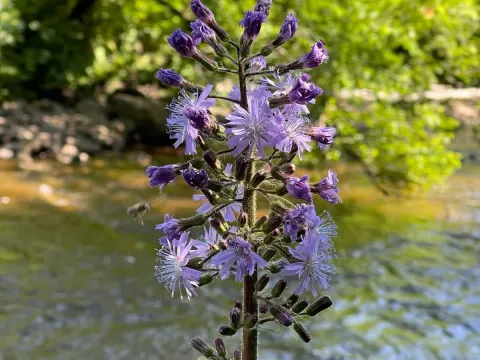
Cicerbita
Cicerbita
Cicerbita is a perennial herb belonging to the Asteraceae family, known for its robustness and adaptability to various soil types.
What the section contains


Cicerbita
Propagation is typically carried out via seeds, which require stratification to break dormancy and ensure uniform emergence in the field.
The ideal planting time is early spring, allowing the plants to establish a strong root system before the onset of summer heat.
Seeds should be sown at a shallow depth, usually 1–2 centimeters, to allow sufficient light penetration and moisture contact for the developing embryo.
Initial growth in the first year is focused on root development, meaning that proper weeding and site maintenance are crucial for young seedlings.
The crop thrives in temperate climates and prefers fertile, well-drained soils rich in organic matter for optimal biomass production.
While Cicerbita can tolerate some shade, maximum productivity is achieved when the plants are cultivated in full sunlight.
Soil moisture levels must be managed effectively, as the crop requires consistent water availability during the peak vegetative stage.
Nitrogen and phosphorus fertilization is recommended in early spring to stimulate vigorous leaf and stem production in mature stands.
The plant exhibits remarkable hardiness, surviving harsh winter conditions, which makes it a reliable perennial choice for northern regions.
Cicerbita is highly regarded for its consistent biomass yields, often producing several cuts per growing season without significant decline.
Under managed conditions, the yield can reach high levels, making it a valuable addition to livestock feeding programs due to its nutritional content.
The plant maintains high protein levels throughout the vegetative phase, preventing the rapid drop in quality seen in other forage species.
Regular maintenance of the stand, including nutrient replenishment, is essential to sustain high yields over the plant's long productive lifespan.
The total dry matter yield is influenced by stand density and the timing of harvests, which should be synchronized with the plant's physiological stages.
Cicerbita possesses natural chemical defenses that provide a high level of resistance against many common agricultural pests and diseases.
Poor drainage can lead to root pathogens, emphasizing the importance of selecting sites with adequate soil aeration and water management.
Occasional infestations by leaf-eating insects are generally minor and do not necessitate intensive chemical control measures in healthy stands.
Preventive agricultural practices, such as proper spacing and rotation, are the most effective strategies for maintaining crop health.
Monitoring for localized fungal infections during extended periods of high humidity is advised to ensure long-term stand longevity.
The harvest for forage purposes should ideally occur during the budding phase to maximize the nutritional value and palatability of the crop.
Mechanical harvesting equipment should be calibrated to maintain an appropriate stubble height, promoting faster regrowth for subsequent cuts.
Proper storage techniques, including ensiling or controlled drying, are necessary to preserve the quality of the harvested Cicerbita biomass.
If seed production is the objective, the harvest timing must be carefully observed to prevent premature seed shedding as the pods mature.
Clean storage facilities are essential to keep the harvest free from contaminants and prevent deterioration caused by moisture during the off-season.