
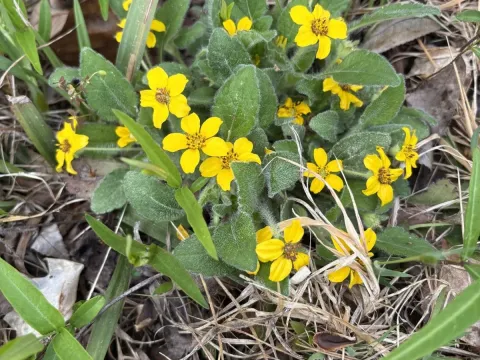
Chrysogonum
Chrysogonum L.
Chrysogonum (genus Chrysogonum) is a herbaceous perennial belonging to the Asteraceae family. Known commonly as the golden star, it is widely recognized for its excellent ground-covering capabilities and bright yellow blooms.
What the section contains

Chrysogonum
Originating from North America, this species naturally thrives in woodland environments. In an agricultural or horticultural context, it requires moist, nutrient-rich soil that mimics its natural forest floor habitat to ensure optimal development.
The cultural requirements of Chrysogonum include partial shade and consistent soil moisture. While it can adapt to various conditions, it performs best in locations where it is protected from intense, direct sunlight during the peak of summer.
Cultivation practices involve propagation by division, which is most effective during the spring or fall. Proper spacing during initial planting is crucial to allow the plant to spread naturally and form a dense, weed-suppressing mat.
The economic and aesthetic value of this plant lies in its use as a low-maintenance landscape element. It is frequently employed in rock gardens and shaded borders, contributing to soil stability and local biodiversity by supporting pollinators.
Chrysogonum is generally robust, but it can be susceptible to root rot if grown in poorly drained, compacted soils. Ensuring adequate drainage is the primary defense against such soil-borne pathogens in the home garden.
Slugs and snails are the most common pests affecting this plant. These gastropods are attracted to the lush foliage, especially in damp conditions, and can cause significant cosmetic damage if left unchecked.
Integrated pest management strategies for Chrysogonum include the use of physical barriers and maintaining clean cultivation zones. Removing debris near the plants helps minimize the habitat suitable for mollusk survival.
Mildew can occasionally appear on the leaves in densely planted areas with stagnant air. Providing adequate spacing between plants promotes airflow, which significantly reduces the risk of fungal infections throughout the growing season.
Early detection of damage on the leaves or stems is vital for effective management. Maintaining a healthy environment with balanced moisture levels is the best preventative measure against most pests and opportunistic pathogens.