
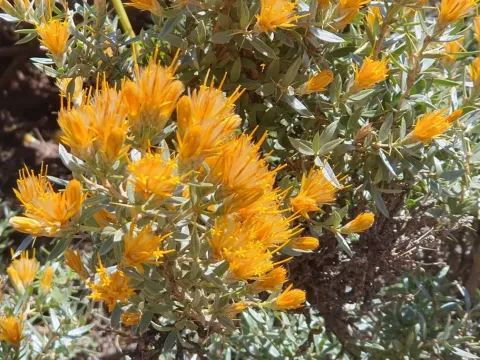
Chuquiraga
Chuquiraga
Chuquiraga is a genus of perennial evergreen shrubs belonging to the Asteraceae family. Native to the high Andean regions, specifically the paramo ecosystems of South America, this plant is well-adapted to extreme environmental stressors including high altitude, low oxygen levels, and intense solar radiation.
What the section contains

Chuquiraga
The plant typically thrives in rocky or sandy substrates found at elevations ranging from 3,000 to 4,500 meters. Its morphology is characterized by tough, often spine-tipped leaves and vibrant orange-to-yellow flower heads that are crucial for the pollination cycles of local hummingbird species.
Agronomic success depends heavily on replicating its native high-altitude environment. Essential requirements include excellent soil drainage, a neutral to slightly acidic pH, and a climate characterized by significant diurnal temperature fluctuations. The plant is highly intolerant of waterlogged soil, which leads to rapid root decline.
Botanically, Chuquiraga functions as a pioneer species in alpine environments, contributing to soil stabilization on steep slopes. Its slow growth rate is compensated by a deep root system capable of accessing mineral nutrients and trace moisture in otherwise harsh, nutrient-poor volcanic or rocky soils.
Economically, the plant is primarily harvested for its medicinal properties, particularly for its traditional use as an anti-inflammatory and antiseptic agent. While intensive agricultural cultivation is rare, there is growing interest in its pharmacological potential and its utility in high-altitude environmental restoration projects.
The most significant threats to Chuquiraga cultivation are fungal pathogens such as Pythium and Phytophthora, which attack the root system during periods of excessive moisture or poor aeration. Additionally, certain specialized mountain insects may cause defoliation, particularly in younger, less established specimens.