
Chrysothamnus pulchellus
Chrysothamnus pulchellus
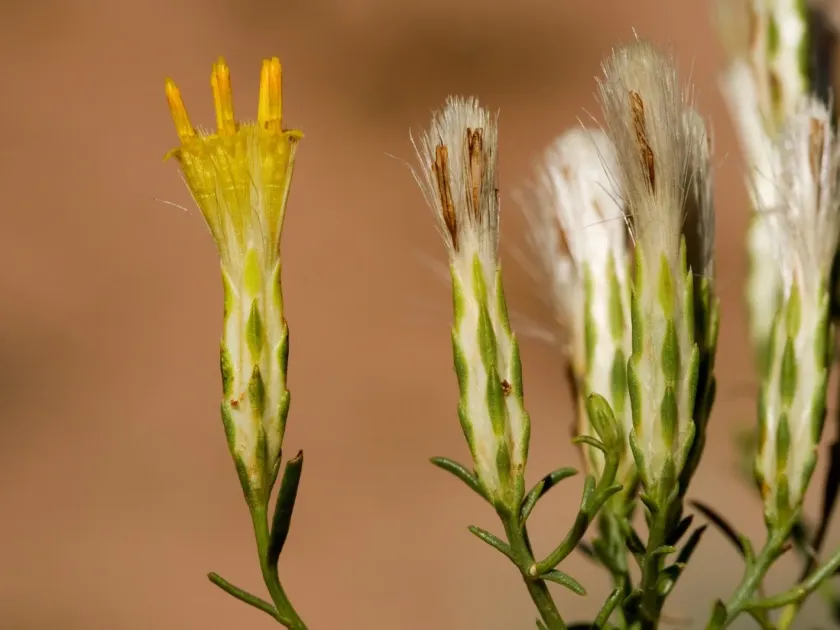
Description
Growing requirements
Chrysothamnus pulchellus, known as a type of rabbitbrush, is a perennial shrub within the Asteraceae family. This species is native to the arid regions of North America, where it thrives in harsh, moisture-deficient environments.
The plant is biologically optimized for water conservation, featuring small, narrow leaves and a deep taproot system. It is a heliophilous species, meaning it requires full, unobstructed sunlight to maintain healthy growth and to produce its characteristic golden-yellow flowers.
Soil requirements for Chrysothamnus pulchellus are specific: it mandates well-drained, sandy, or rocky soils. It will not tolerate heavy clays or waterlogged conditions, which frequently lead to root rot. Neutral to alkaline pH levels are generally preferred.
Cultivation should focus on simulating its native desert-like environment. Supplemental irrigation should be provided only during the establishment phase; once the root system is fully developed, the plant becomes exceptionally drought-tolerant.
Beyond its ornamental value in xeriscaping, the plant serves an ecological role in land stabilization. Its extensive root structure helps prevent soil erosion in arid landscapes, and it supports local pollinator populations during late summer when other plants may be dormant.
Main diseases and pests
Root rot is the most significant threat to Chrysothamnus pulchellus, usually caused by improper soil moisture management. Ensuring adequate drainage is the primary defense against these fungal pathogens.
Powdery mildew can occasionally affect foliage during periods of stagnant, humid weather. Maintaining proper air circulation between plants is essential to mitigate this risk and prevent further spread of the infection.
Insect pests, such as aphids and spider mites, can feed on tender new growth. Integrated pest management strategies, such as introducing predatory insects, are preferred over broad-spectrum chemicals to protect the plant's health.
Small mammals, particularly rabbits or rodents, may graze on the young stems, which can impede growth. Physical guards are recommended for newly planted specimens to ensure they reach maturity without significant damage.
Overall, this species remains highly resistant to most environmental stressors. If placed correctly in a site with appropriate soil texture and sunlight, the plant generally requires minimal human intervention to maintain its vigor.