
Chrysothamnus depressus
Chrysothamnus depressus
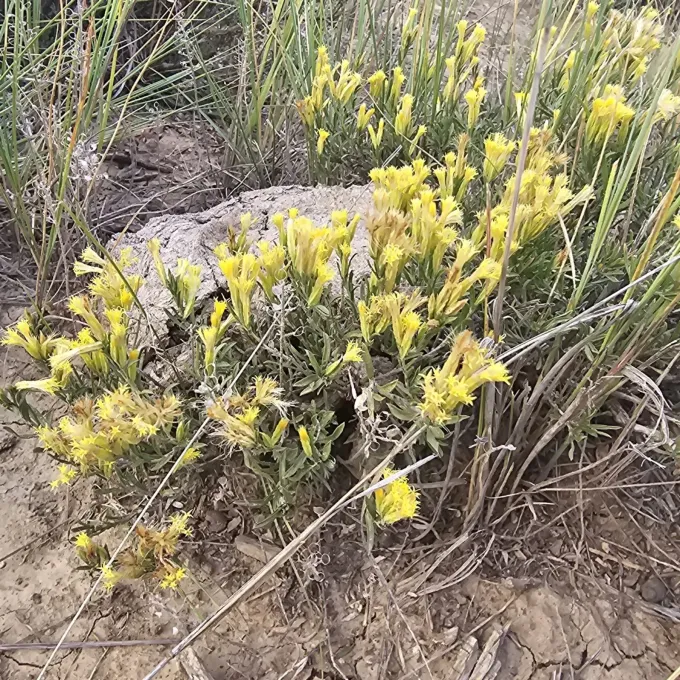
Description
Growing requirements
Chrysothamnus depressus, commonly known as a species of rabbitbrush, belongs to the Asteraceae family. This low-growing, woody shrub is native to the arid landscapes of the western United States.
The plant exhibits exceptional tolerance to extreme environmental stress, including severe drought and nutrient-poor soils. It is particularly well-adapted to rocky, well-drained, and gravelly substrates.
Full sun exposure is an absolute requirement for the healthy development of Chrysothamnus depressus. It does not tolerate shade, which results in elongated, weak stems and susceptibility to diseases.
Agronomically, this species is highly valued for its role in soil stabilization. Its extensive, deep root system helps to maintain soil integrity and prevent erosion on steep and arid slopes.
Cultural management should focus on maintaining a dry environment. Irrigation should only be applied during the initial establishment phase, after which the plant becomes largely self-sustaining.
Main diseases and pests
Root rot pathogens represent the most significant threat to Chrysothamnus depressus, often appearing where drainage is poor or irrigation is excessive.
Aphids are the primary insect pests, frequently targeting tender growth during the spring flush and causing significant vigor loss.
Spider mites are common in hot and dry summer months, often leading to chlorosis and premature leaf drop in unprotected plant populations.
Fungal leaf spot diseases may occasionally occur during unseasonably wet springs, necessitating the use of targeted preventative fungicides.
Integrated pest management protocols should be observed to minimize chemical usage, as the plant serves as a vital resource for local pollinator populations.