
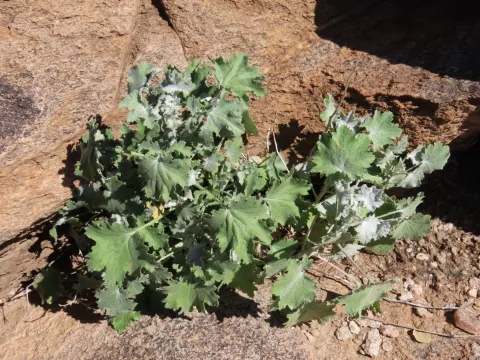
Cineraria
Cineraria L.
Cineraria is a decorative crop belonging to the Asteraceae family, valued for its lush foliage and vibrant flowers. Commercial production begins with seed sowing in highly porous and sterilized soil media designed for greenhouse conditions.
What the section contains


Cineraria
Sowing dates are typically scheduled for late winter to ensure optimal growth stages. Seeds are surface-sown since they require light to germinate; they should be pressed gently into the substrate without covering.
Temperature control is crucial during the germination phase, ideally maintained between 18 and 20 degrees Celsius. High humidity should be preserved using covers until emergence to ensure a high germination rate.
Once seedlings have developed two true leaves, they are transplanted into individual pots or cell trays. This process encourages strong root development and prevents overcrowding, which is vital for later stage growth.
Proper light management after seedling emergence is essential to prevent etiolation. Gradually lowering temperatures during the night cycles helps strengthen the plant structure and improves overall resilience.
Cineraria thrives in cool, humid environments. It is sensitive to excessive heat, which can trigger physiological stress and significantly reduce the quality of the foliage and flowering potential.
The soil must be well-drained and slightly acidic to neutral. Peat-based mixes are generally preferred as they provide the necessary structure while retaining enough moisture for steady root uptake.
Light intensity should be controlled, especially in bright climates. Shading nets are frequently utilized in greenhouses to provide filtered light, preventing leaf scorch and maintaining optimal internal plant temperature.
Consistent watering practices are essential for this crop. Drip irrigation systems are recommended to deliver moisture to the root zone, reducing the risk of foliage wetting which can invite fungal infections.
Nutrient management involves balanced NPK fertilizers with an emphasis on potassium during the pre-flowering stage. Micronutrient supplements are also beneficial for sustaining high quality and vivid leaf coloration.
Powdery mildew is a primary concern for Cineraria, particularly when air circulation is poor or humidity levels fluctuate. Regular monitoring and humidity control are the best preventive strategies.
Pests such as aphids and spider mites can cause significant damage to young shoots and leaves. Integrated pest management, including the use of sticky traps and biocontrols, is highly effective.
Root rot, including Pythium, is a major threat linked to overwatering and inadequate soil drainage. Maintaining a healthy balance between soil moisture and aeration is critical to mitigating this risk.
Botrytis, or gray mold, can affect flowers in high-humidity environments. Ensuring adequate spacing between plants and keeping the greenhouse environment well-ventilated helps manage this condition.
Whiteflies represent a significant vector for various viral infections. Early detection and chemical or biological intervention are necessary to maintain crop health and commercial value of the Cineraria plants.