
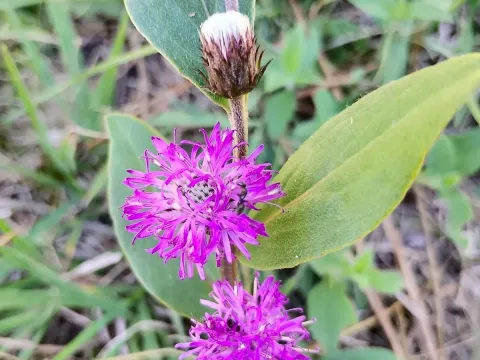
Chrysolaena
Chrysolaena
Chrysolaena is a genus of perennial flowering plants that belongs to the Asteraceae family. Historically integrated into the Vernonia genus, these plants have been taxonomically separated, necessitating specific knowledge of their unique physiological and growth characteristics.
What the section contains


Chrysolaena
The native habitat of this genus is concentrated in South America, where it thrives in grasslands and open savannah-like ecosystems. These regions define the plant's natural preference for strong sunlight and well-aerated soil compositions that support deep root penetration.
When cultivating Chrysolaena, soil drainage is a critical success factor. The plants perform best in soils that are slightly acidic to neutral, preventing root rot which is a common issue in poorly draining, heavy clay soils during excessive rainfall.
Agronomic management involves standard practices including consistent weeding and proper spacing to ensure adequate light exposure. The plants demonstrate significant resilience to short-term dry spells, making them efficient water-users in sustainable landscaping and agricultural settings.
The primary utility of the crop lies in its ornamental potential and ecological functions, such as providing nectar for pollinators. Its ability to maintain structural integrity throughout the growing season makes it a valuable asset for diverse planting schemes.
Pathogen threats to Chrysolaena typically include powdery mildew and other fungal pathogens that exploit high humidity and stagnant air. Proper site selection and maintaining optimal plant density are the primary cultural controls against these infections.
Insect pests such as aphids and leaf-eating beetles can cause stress to the plants, potentially impacting both the aesthetic quality and the vigor of the specimens. Monitoring for early signs of infestation is essential for maintaining a healthy stand during the peak of the growing season.